Planting corn requires attention to the right planting season, soil preparation, spacing, choosing the right corn seed, fertilization, and management through harvest. In this guide, you’ll learn how long it takes from planting to harvest, how many bags a hectare can yield, the correct way to plant, the ideal spacing between plants, and the key steps to get started.
How long does it take from planting to harvesting corn?
The time between planting corn and harvest depends on the variety, the climate, and the purpose of production. In general, corn grown for grain takes120 to 140 days to reach harvest.
Earlier-maturing cultivars can be harvested sooner, while later-maturing varieties need more time in the field. Growers should always follow the recommendations for the seed they have chosen.
For green corn, harvesting takes place before the kernels are fully mature. Silage corn, on the other hand, also has a different harvest stage, determined by the plant’s dry matter content.
The climate has a significant impact on this timeframe. Suitable temperatures, good light, and an adequate water supply help the plant complete its life cycle more consistently.
How many bags of corn does 1 hectare yield?
The yield per hectare of corn varies widely depending on the region, the crop year, investment in technology, and proper management. When these factors are managed effectively, higher yields can be achieved, significantly increasing profits.
In crops with lower investment or under stressful weather conditions, production can drop significantly, falling well below that level.
According to Conab, Brazil’s total corn production forthe 2025/26 crop year is estimated at 139.6 million metric tons, underscoring the crop’s importance in the country and the influence ofplanted area, climate, and yield on the final figure.
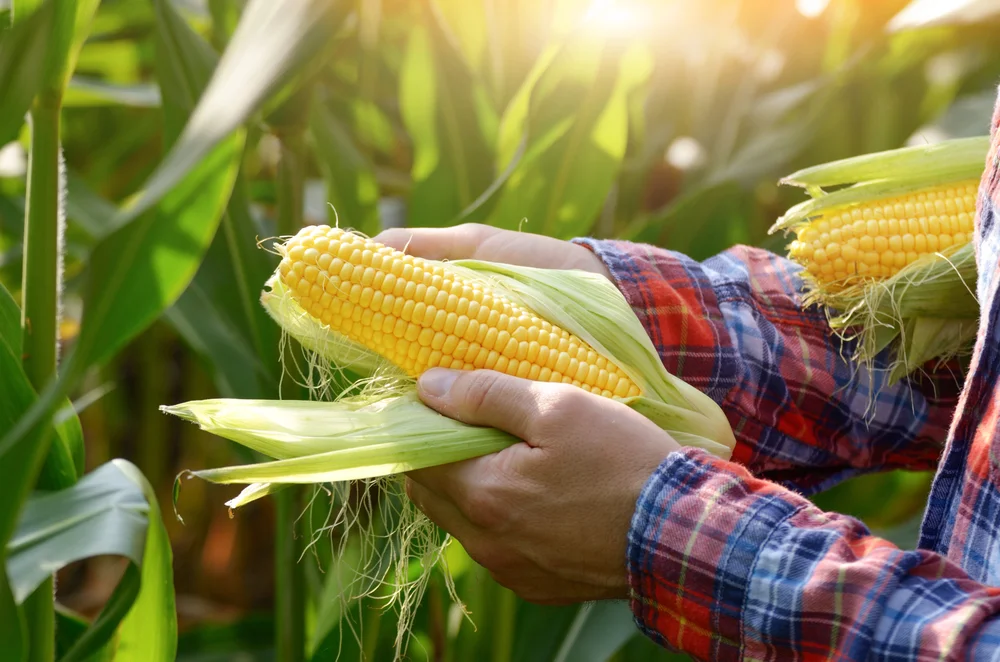
To estimate a crop's potential, consider soil fertility, plant population, water availability, cultivar selection, and the management of pests, diseases, and weeds.
What is the correct way to plant corn?
The proper way to plantcorn seedsbegins before sowing. The first step is to conducta soil analysisto determine whether the area needs liming, gypsum application, or nutrient correction.
Next, choose a cultivar suited to your region and high-quality seeds. Check the growing season, disease resistance, intended use, and recommended plant density.
Treated seedalso deserves attention, as it helps protect the early stages of the crop from problems that can affect germination, emergence, and the initial establishment of the plants.
In addition,protecting seedsbefore planting helps reduce risks in the early stages, especially in areas with a history of pests, diseases, or less favorable soil and climate conditions.
Time to sow
When sowing, the seed should be planted at a uniform depth. In many cases, the planting depth is between 3 and 5 cm, but in lighter or sandier soils, the depth can reach 5 to 7 cm, depending on soil moisture and texture.
Corn planting should also ensure even seed distribution and goodplantability. Gaps leave empty spaces, while too many plants increase competition for light, water, and nutrients.
A basic step-by-step guide is:
- Conduct soil analysis and amendment;
- Choose seeds that are suited to the region;
- Set spacing and population;
- Adjust the planter by setting the distribution, depth, and plant density;
- Plant in soil with adequate moisture;
- Monitor pests, weeds, and diseases.
Embrapa points out that plant arrangement—including density and spacing—influences how the environment is utilized and can affect grain yield.
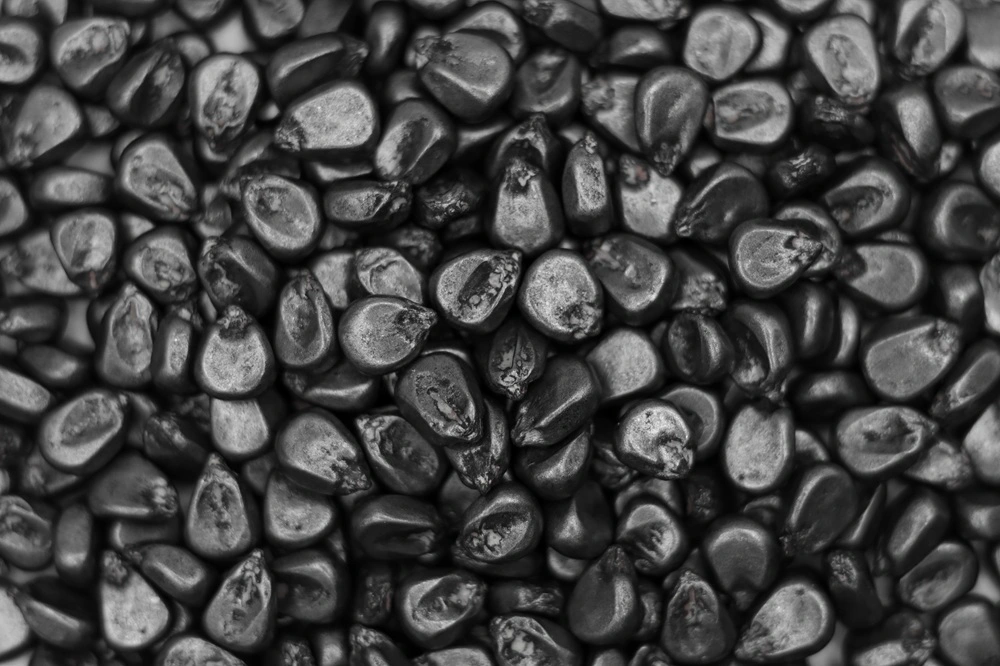
What is the distance between one corn plant and the next?
The distance between corn plants depends on the row spacing and the desired plant density. Research data show the advantages of reduced spacing (45 cm to 50 cm between rows) compared to conventional spacing (80 cm to 90 cm), especially when usinghigher planting densities.
In practice, many systems use reduced spacing (45 or 50 cm between rows), as this approach can help the crop close out more quickly and improve light interception.
For beginners, it’s best to follow the technical recommendations for the cultivar. The seed bag usually specifies the recommended planting density per hectare and helps you adjust the planter.
Avoid planting too densely without a plan. Overcrowding can result in smaller ears, competition for water, and a higher risk of crop loss during dry periods.
What is the best soil for growing corn?
The best soil for corn is deep, well-drained, fertile, and has good water-holding capacity. Highly compacted soils hinder root growth and reduce nutrient uptake.
Corn grows best when there is an adequate supply of nitrogen, phosphorus, potassium, and micronutrients. Therefore, applying fertilizer without first conducting an analysis can lead to waste or nutrient deficiencies.
pH is also important. In very acidic soils, the plant may have difficulty absorbing nutrients. Liming helps correct this problem when recommended by soil testing.
Before planting corn, check for compacted layers. Weak roots do not make full use of the soil, which harms the crop, especially during periods of low rainfall.
A good layer of mulch also helps. It reduces erosion, conserves moisture, and improves soil structure over time.

When is the best time to plant corn?
The best time to plant corn varies depending on the region and the production system. In Brazil, there is first-crop corn and second-crop corn, which is planted after soybeans.
In general, planting should coincide with good soil moisture and favorable temperatures. Without sufficient water during germination, the crop will start out uneven.
Embrapa states that the optimal planting time aims to align flowering with longer days and grain filling with high temperatures and ample sunlight.
For the second corn crop, the schedule is tighter. Delays in the soybean harvest could push the corn harvest into a window with a higher risk of drought or cold weather.
Therefore, check your region’sAgricultural Climate Risk Zoningand monitor the weather forecast. Planting during the right window reduces risks and improves yield potential.
What precautions can help prevent crop losses?
The first step is to plant in moist soil, but without overwatering. Dry soil hinders germination, while soil that is too wet can cause compaction and failure.
Another important point is to control weeds early on. Corn is sensitive to competition during its early stages, when it is still developing roots and leaves.
Also monitor early-stage pests, such as caterpillars and stink bugs. Frequent monitoring allows you to take action early, before the damage compromises the crop stand.
When applying fertilizer, pay special attention to nitrogen. This nutrient has a major impact on vegetative growth and ear formation.

How can you improve corn yield?
To improve productivity, plan ahead. Beginner farmers should keep records of the planting date, the crop variety used, fertilizer application, rainfall, pests, and yields.
These notes help you compare harvests and correct mistakes. Over time, it becomes easier to understand what works best in each area.
It’s also worth investing in technical assistance. An agronomist can adjust planting density, fertilization, and management practices based on the specific conditions of the farm.
Proper corn planting combines technical knowledge with field observation. Minor mistakes during planting can lead to losses that only become apparent at harvest time.
FAQ – Frequently Asked Questions About Corn Planting
What is the best planting depth for corn?
The most common planting depth is between 3 and 5 cm, but it can vary depending on soil texture and moisture content. In sandier or drier soils, the seed can be planted slightly deeper. In heavy or moist soils, planting too deep can delay emergence and cause failure.
Do you need to water the corn after planting it?
Irrigation is not required in all areas, but the seed needs moisture to germinate properly. In regions with irregular rainfall, irrigation can help improve emergence and reduce crop failure. The most important precaution is to avoid waterlogging, because excess water damages roots and can promote disease.
Can I plant corn in the same spot every year?
It is possible, but it is not ideal without proper management. Planting corn repeatedly in the same area increases the risk of pests, diseases, and weeds. Crop rotation helps improve soil quality, break problem cycles, and maintain more stable yields across harvests.
What kind of fertilizer should be used when planting corn?
Fertilizer application should be determined by soil analysis. In general, for corn, fertilizer should be applied at planting—primarily to provide the plants with essential nutrients from the early stages of their growth cycle—followed by a top-dressing application. Using a ready-made fertilizer formula without knowing the soil conditions can lead to waste, low efficiency, or a lack of nutrients critical to the crop.
What is the biggest threat to corn production?
The biggest problems are usually drought during critical stages, poorly amended soil, low fertility, pests, weeds, and an inappropriate crop mix. Mistakes made early in the growing season are difficult to correct later on. Therefore, planning before planting is essential to ensure productivity.