What is seed planting, and why is it important?
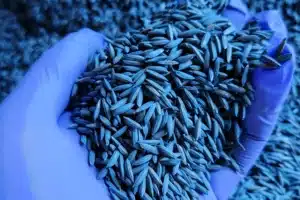
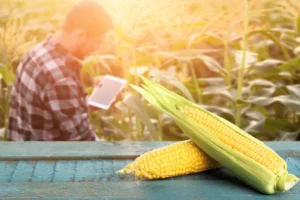
Seed planting is the process of starting a crop from seed and monitoring the plant's development from its earliest stages.
This method allows for greater control over germination, emergence, and the plant's adaptation to the growing environment.
It can also be a cost-effective and efficient alternative, provided that the species' requirements and proper management conditions are met.
What are the different types of planting?
Among the most common methods are direct seeding into the soil and sowing in seed tubes or trays, primarily for producing seedlings in nurseries.
The choice depends on the species being grown, the scale of production, the available infrastructure, and the plant's sensitivity to transplanting.
1. No-till planting
In this method, the seed is planted directly in its final location, where the plant will remain throughout its entire life cycle.
2. Seedling Production
The seeds are first grown in smaller containers, where humidity, temperature, and light levels can be better controlled.
After the initial growth phase, the seedlings can be moved to their final location with greater safety and improved resilience.
This system is common in larger-scale production and for crops that require a protected environment during the early stages of growth.
The nursery helps control production conditions and can promote better germination rates and seedling development.

What is the process of sowing like?
Planting requires attention to simple but important steps to promote more uniform and efficient germination.
1. Selecting Seeds
Choose seeds from a known source that come with reliable quality information, as this is directly related to germination and vigor.
When handled correctly and in accordance with technical recommendations, treated seed also contributes to more uniform initial establishment.
2. Soil Preparation
The soil or growing medium should be light, not overly compacted, fertile, and well-drained, allowing for better root development from the start.
Mixing in organic matter helps improve soil structure, maintain moisture balance, and promote early growth.
3. Correct depth
A rule of thumb is to plant the seed in a hole that is two to three times its size, always taking into account the species being grown.
Planting too deep can make it difficult for the plant to emerge, while planting too shallow can hinder the plant's establishment.
4. Initial watering
After sowing, when producing seedlings, watering should be done carefully to maintain moisture without dislodging or waterlogging the seeds.
When planting directly into the soil, care must be taken to ensure the soil has the ideal moisture content so as not to hinder seed germination.
Excess water can hinder germination, while a lack of moisture impedes early development.
5. Lighting conditions
Some seeds germinate better in light, while others do better in darker, more sheltered environments.
Temperature also has a direct effect on the process, influencing the speed and uniformity of germination.
How do I do this step by step?
Following an organized process helps prevent common mistakes and significantly increases the chances of success in cultivation.
- Choose good-quality seeds;
- Prepare a light, nutrient-rich soil;
- Drill holes to the correct depth;
- Carefully place the seeds;
- Lightly cover with soil;
- Water gently;
- Keep the humidity constant.
This simple process promotes germination and contributes to the healthy growth of plants.
What mistakes should you avoid when planting seeds?
Problems such as overwatering, incorrect planting depth, and compacted soil significantly reduce the chances of germination.
It is also important to meet the requirements for light, temperature, and drainage to prevent problems during the early stages of development.
Tips for optimizing planting
A few simple practices can help improve seed planting results and increase the uniformity of emergence.
Using high-quality seeds, choosing the right growing medium, and maintaining a balance between water, oxygen, and temperature makes all the difference.
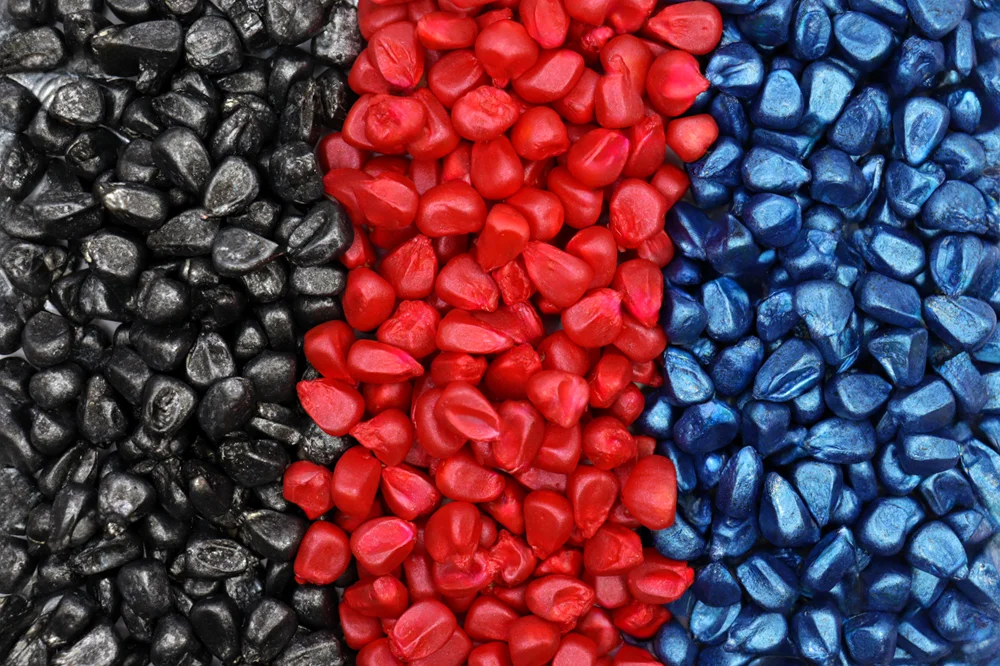
In more advanced systems, technologies such as seed coating can also help improve seed treatment, when performed.
In addition to helping protect the seeds, this type of care can contribute to improved flow and better plantability, due to more uniform distribution during sowing when mechanical planting is used.

FAQ – Other Questions About Planting Seeds
How long does it take for a seed to germinate?
Germination time varies greatly depending on the plant species and environmental conditions. Factors such as temperature, humidity, and seed quality directly influence this process. Under ideal conditions, many seeds germinate within a few days, while others may take weeks.
Can I plant seeds in any type of soil?
Not every type of soil is suitable for planting, but in most cases this limitation can be overcome with certain management practices. Ideally, the soil should be light, fertile, and well-drained to allow for root growth. Compacted soil hinders germination and stunts plant growth, negatively affecting crop yields.
How often should I water the potting mix?
The frequency of watering depends on the climate, soil type, and the type of plant being grown. The most important thing is to keep the soil consistently moist, but not waterlogged. Light, frequent watering is usually more effective and helps prevent problems such as seed rot.
Do all seeds need light to germinate?
Not all seeds need light to germinate, as some develop better in the dark. After germination, however, most seedlings need light to grow healthily. Assessing this need is essential to ensuring good results.