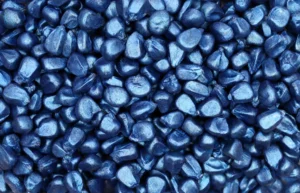
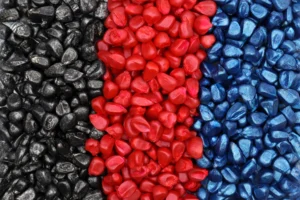
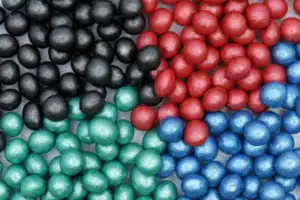
Seed pelleting is an important technology in modern agriculture, created to optimize planting and increasesowing accuracy. In this comprehensive guide, you will understand what seed pelleting is, its significance, main advantages, and how the process works, considering current technologies in the seed industry.
Seed pelletization is linked to the evolution of encrustation, coating, and input application systems, making planting more efficient, standardized, and technically controlled.
The content was developed for those who have basic knowledge and are looking for clear, reliable, and practical technical information about pelletizing.
What is the seed pelletizing process?
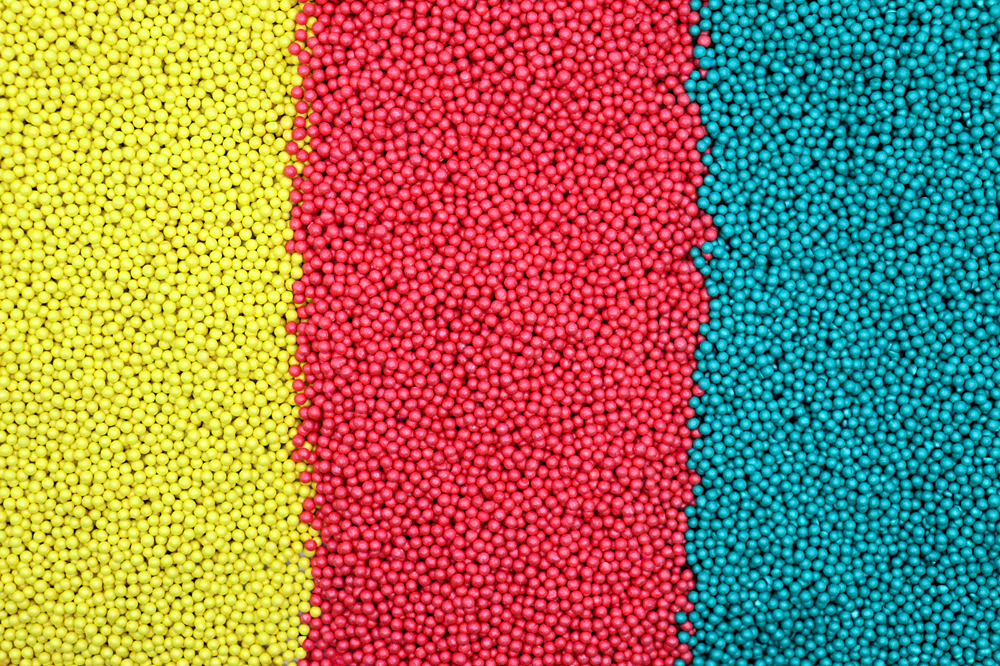
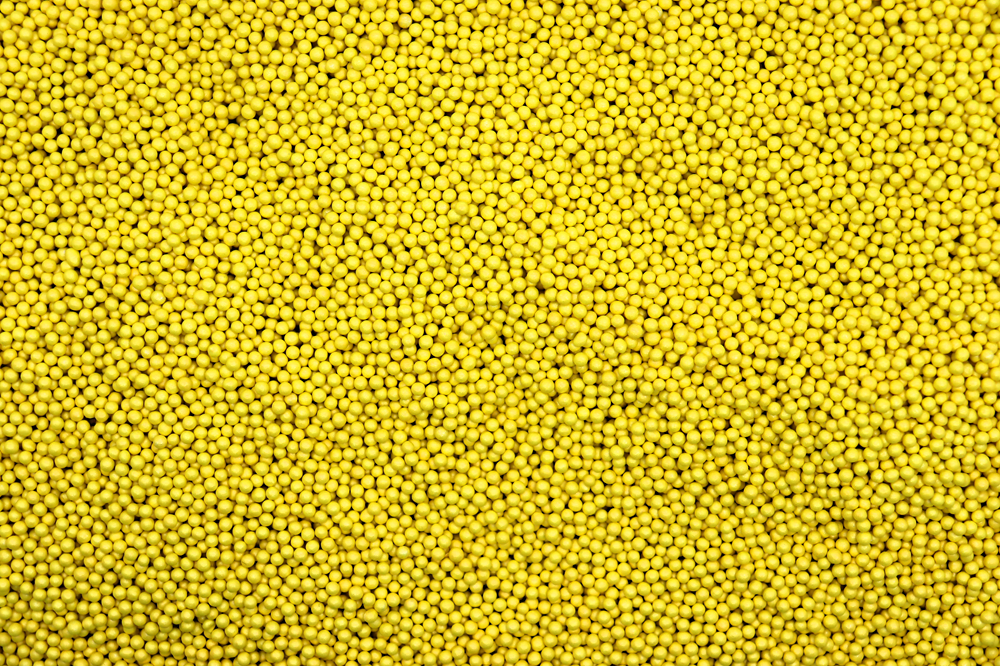
The seed pelletization process consists of coating the seed with successive layers of inert filling materials andbinders, altering its size, weight, and shape in a controlled manner.
This technique transforms small, irregular seeds into more standardized units. The method is widely used for vegetables, flowers, and tobacco.
The main objective of the process is to improve operational efficiency, reduce waste, and ensure greater uniformity in planting.
What does pelletization mean?
The meaning of pelletization is related to the process of adding and molding materials around the seed, forming a uniform and spherical external structure.
In agriculture, this technique represents an external physical modification, without altering the genetics or internal characteristics of the seed.
Unlike other methods, this coating completely envelops the seed, creating a layer that facilitates handling, transport, and planting.
It is important to differentiate between pelletization and coating, because in coating, the coating follows the original shape of the seed.
During this process, the external shape is redefined, making the seeds larger and more uniform.
This concept is linked to the use of industrial technologies that ensure uniformity, weight control, and proper behavior on the ground.
What are the advantages of pelletizing?
The advantages of this method are directly related to the use of modern coating technologies and the precise application of inputs.
One of the main benefits is high precision in sowing, especially in mechanized systems.
The process provides greater uniformity in the spacing between plants, promotingmore homogeneous germination.
Another distinguishing feature is the possibility of incorporating fertilizers, pesticides, and biological agents.
Among the main gains are better use of seeds, "less waste," and greater efficiency in planting.
In addition, the technique facilitates handling and storage and contributes to better use of the cultivated area.
How does pelletizing work?
The process involves coating technologies performed on high-precision industrial equipment.
The seeds are placed in rotating systems that ensure the uniform application and distribution of layers of material around each seed.
During the process, controlled layers of inert materials, such as mineral fillers and polymers, are applied.
Special binders ensure the coating's adhesion and resistance without compromising germination and seedling development.
After formation, the seeds undergo drying and rigorous quality testing before being released for use.
This control ensures that the coating behaves correctly in the soil or substrate, allowing the seedling to emerge without interference.
Film Coating in industrial seed treatment
When we talk about solutions for TSI, we cannot fail to mention Film Coating, a well-established technology in industrial seed treatment.
Film Coating consists of applying a thin film to the seed, without altering its shape or size, with a focus on protection and fixation of inputs.
This process is widely used in the treatment ofcorn seeds,soybean seeds,wheat seeds, andcotton seeds, among others.
FAQ – Frequently asked questions about seed pelleting
Does pelletization affect germination?
No. When performed with appropriate technologies and processes, pelletization does not impair germination. The materials used are formulated to dissolve in the soil/substrate when in contact with moisture, allowing normal seedling development.
What is the difference between seed coating and pelletizing?
Coating is a process in which the seed receives a thin layer of coating, maintaining practically its original shape and size. The main objective is to homogenize batches, and it can also be used to apply inputs such as pesticides, nutrients, or microorganisms in a uniform manner.
Seed pelleting involves applying multiple layers of material, significantly altering the size, weight, and shape of the seed (usually making it more spherical). The focus is on facilitating planting, increasing sowing accuracy, and standardizing seeds.
Which crops benefit most from pelletization?
Pelletizing is most suitable for crops with small seeds, such as vegetables and flowers, as well as high-value seeds that require precise planting.
Does pelletizing increase production costs?
The unit cost is higher, but pelletization reduces waste, improves planting efficiency, and offsets the investment with better results in the field.
Do pelletized seeds require specific care when planting?
Yes. It is essential to respect the appropriate depth and ensure good soil moisture to reap all the benefits of pelletization.