Planting wheat requires planning, from selecting the area to harvesting the grain. In this guide, you’ll learn when to plant wheat, how to prepare the soil for planting, how to care for the seeds, and how long it takes for the crop to complete its life cycle. You’ll also learn about practices that help reduce risks and promote successful crop establishment.
Wheat is an important winter crop for the Brazilian agribusiness sector. Although it is more common in the South, it can also be grown in parts of the Southeast and the Midwest, including in irrigated systems.
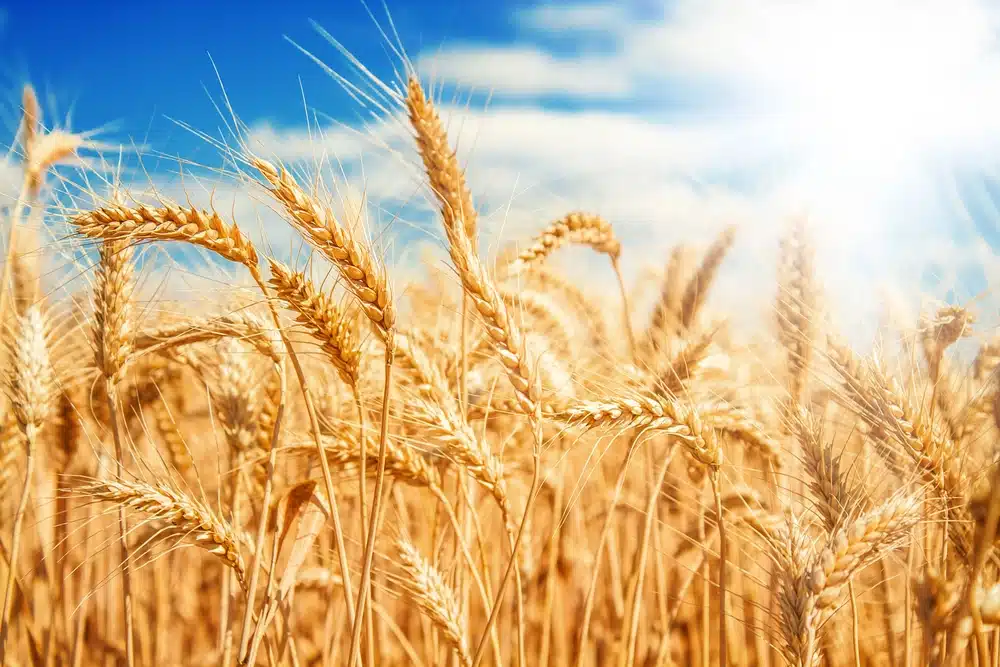
To achieve good results, growers need to take into account the climate, the crop variety, soil fertility, and the area's history.
Wheat planting in Brazil varies depending on the conditions in each municipality, which makes it essential to consult the technical recommendations and the region’s Agricultural Climate Risk Zoning.
When is the planting season for wheat?
The wheat planting season is not the same throughout the country. The optimal planting window depends on the municipality, elevation, rainfall patterns, water availability, farming system, and the growth cycle of the chosen cultivar.
In general, the wheat planting season in Brazil extends from late summer through winter.
In warmer areas, planting can begin earlier, while colder regions typically have later planting periods. For this reason, a general date should never replace a specific recommendation for a particular property.
The main reference is the Agricultural Climate Risk Zoning system, known as ZARC. The system identifies the periods of lowest risk for each municipality, soil type, and crop cycle.
Adhering to the recommended window reduces the crop's exposure to frost, water shortages, excessive heat, diseases, and rain during harvest.
How is wheat planted?
Wheat planting begins before the seeder enters the field. It is necessary to analyze the soil, select the appropriate cultivar, and verify that the area has good drainage and uniform conditions.
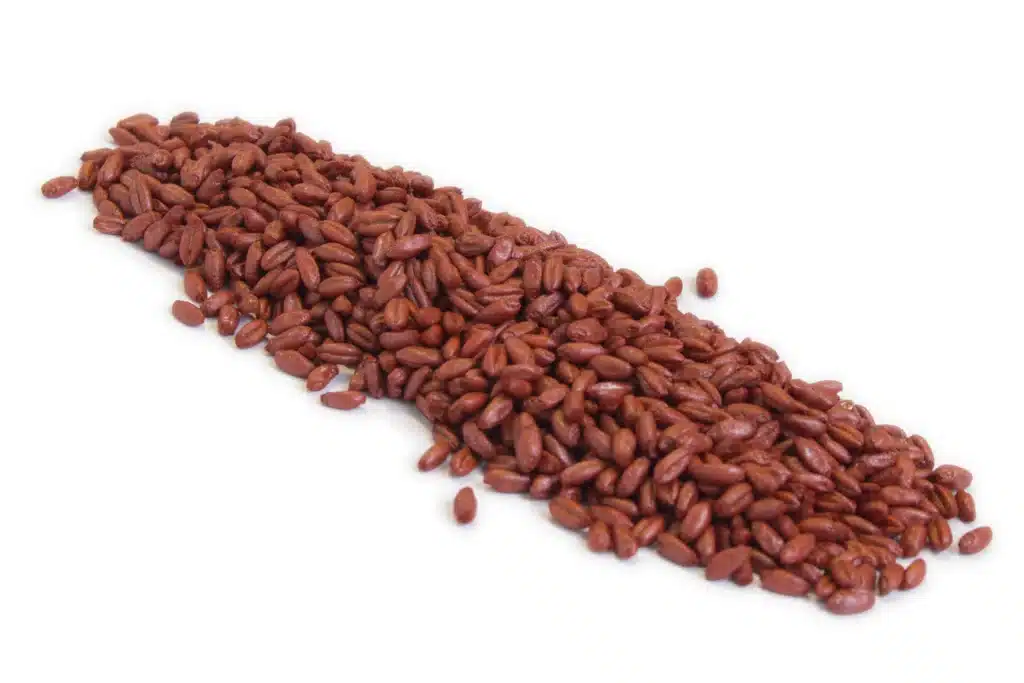
The process can be broken down into the following steps:
- Conduct chemical and physical analyses of the soil;
- Adjust the pH and fertility according to technical recommendations;
- Control weeds in the area;
- Choose certified seeds that are suited to the region;
- Adjust the seeder according to the crop variety and environmental conditions;
- Sow within the time frame specified by ZARC;
- Monitor pests, diseases, and invasive plants.
The seeding depth is generally between 2 and 5 centimeters. In clay soils, it may be necessary to plant closer to the lower limit to facilitate emergence, according to the technical guidelines for wheat.
Row spacing is usually narrow and should ensure uniform plant distribution. However, the adjustment must take into account the machine, the cultivar, and the recommended plant population.
To prevent failures, it is also important to assess plantability. Even seed distribution promotes a more uniform crop and improves the use of water, light, and nutrients.
How do you prepare the soil for planting wheat?
Soil preparation for wheat planting should begin with a soil test conducted in advance. The test reveals the pH, nutrient availability, and any potential limitations that need to be corrected.
In no-till farming areas, it is best to leave the crop residue in place and avoid unnecessary tillage. This system protects the soil, helps conserve moisture, and reduces the risk of erosion.
Soil compaction should be assessed before planting. When there is a compacted layer, roots may have difficulty penetrating it and accessing water at greater depths.
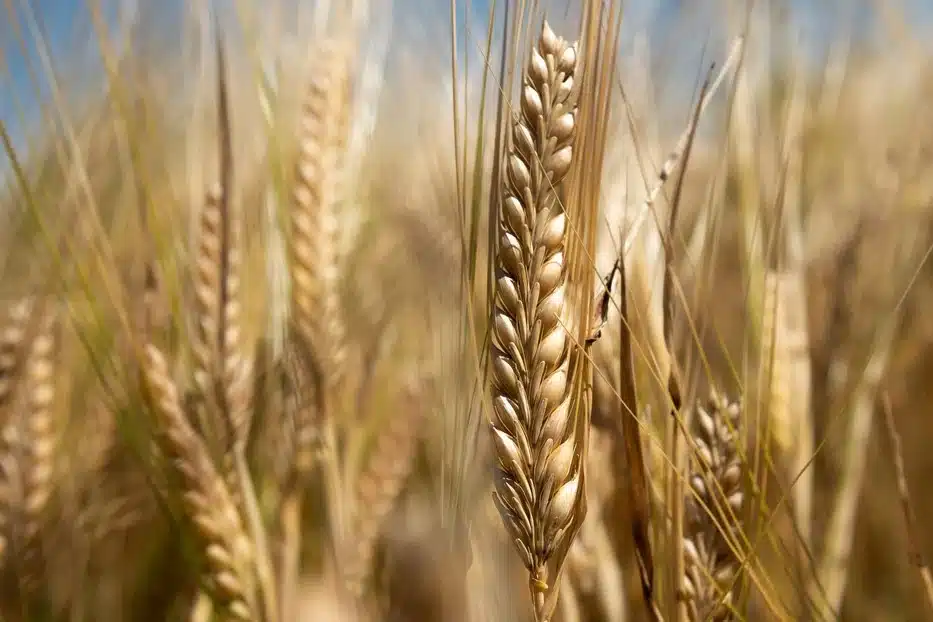
Fertilization should be determined by an agronomist based on soil analysis, expected yield, and the field’s history. Applying nutrients without a proper assessment increases costs and can cause imbalances.
It is also important to pay attention to drainage. Areas with standing water damage the roots, promote disease, and hinder plant establishment.
How long does it take for a wheat crop to grow?
The first signs of crop growth appear a few days after sowing, provided there is adequate moisture and temperature. However, the full growth cycle is much longer.
The duration varies depending on the cultivar, region, climate, and management practices. For many crops grown in Brazil, maturation occurs approximately 100 to 130 days after sowing.
There are early-maturing cultivars that reach maturity in about 113 days and mid-season varieties that take about 121 days. These figures are guidelines, not fixed timeframes for all farms.
During this period, the plant goes through the stages of germination, emergence, tillering, stem elongation, heading, flowering, grain filling, and maturation.
Each stage presents different needs and risks. Therefore, frequent monitoring allows for the rapid identification of symptoms of nutrient deficiencies, diseases, insect infestations, or water shortages.
The choice of wheat seed influences the growing cycle, regional adaptation, disease resistance, and yield potential.
How long does it take to harvest wheat?
Harvesting typically takes place between 100 and 130 days after wheat is planted, depending on the cultivar's growth cycle and the conditions encountered during its development.
Low temperatures, water shortages, or other stresses can delay the cycle. Conversely, intense heat and water deficiency can cause the grains to mature earlier and limit their filling.

Growers should monitor the crop's maturity and the moisture content of the grains, rather than relying solely on the number of days on the calendar.
Harvesting too early increases drying costs and may lead to a higher proportion of immature grains. When harvesting is done too late, the risk of losses due to threshing, lodging, and rain increases.
Harvesting at the right time helps preserve yield and quality. The combine harvester’s settings should also be adjusted to field conditions to prevent damage and grain loss.
What practices improve wheat cultivation?
The first step is to choose a registered cultivar that is well-suited to the region and appropriate for the intended production purpose. Different varieties have varying growth cycles and levels of resistance.
It is also recommended to use seeds from a known source that have good germination rates, vigor, and disease resistance. Seed treatment helps protect the initial crop establishment against certain fungi and insects.
Embrapa emphasizes that the planting season, the cultivar's growth cycle, and seed management are all part of strategies to prevent plant health problems.
Other important practices include:
- Practice crop rotation;
- Monitor the crop from the time of emergence;
- Keep machinery properly maintained;
- Control weeds at the right time;
- Record operations and weather conditions;
- Consult a technical specialist.
There is no one-size-fits-all recommendation for all crops. The best management approach combines farm-specific data, official guidelines, and professional guidance.

FAQ – Frequently Asked Questions About Wheat Planting
Is it possible to grow wheat in any region of Brazil?
Wheat can be grown in different regions, but not every municipality has suitable conditions. Climate, elevation, water availability, and the risk of frost or heat all affect the outcome. Before planting, it is necessary to consult the ZARC and choose a cultivar suited to the local environment.
What is the recommended planting depth for wheat?
The depth generally ranges from 2 to 5 centimeters. The decision depends on the soil texture and moisture content. Seeds planted too deep may have difficulty emerging, while seeds planted too shallow are more susceptible to drying out and failure to establish.
Is it necessary to treat wheat seeds?
Treatment can protect seeds and seedlings against certain fungi and insects found in the soil or associated with the seeds. The products and doses should be determined based on a professional diagnosis and guidance. It is also essential to use appropriate equipment and follow the label instructions.
What is the best soil for growing wheat?
Wheat grows best in fertile, well-structured soils with good drainage. The soil should not remain waterlogged or present severe limitations to root growth. Soil testing is essential to guide soil amendments and fertilization before planting.
How many days does it take for wheat to germinate?
Under the right humidity and temperature conditions, germination can begin just a few days after sowing. The time frame varies depending on seed vigor, planting depth, soil conditions, and weather. Failure to germinate or excessive delay may indicate soil compaction, lack of water, or poor seed quality.
How can you tell if the wheat is ready to harvest?
The crop should consist of mature plants, dry straw, and firm grains, as well as a moisture content compatible with the harvesting operation and storage system. The number of days is provided for reference only. Field assessment and moisture measurement are essential for determining the right time.