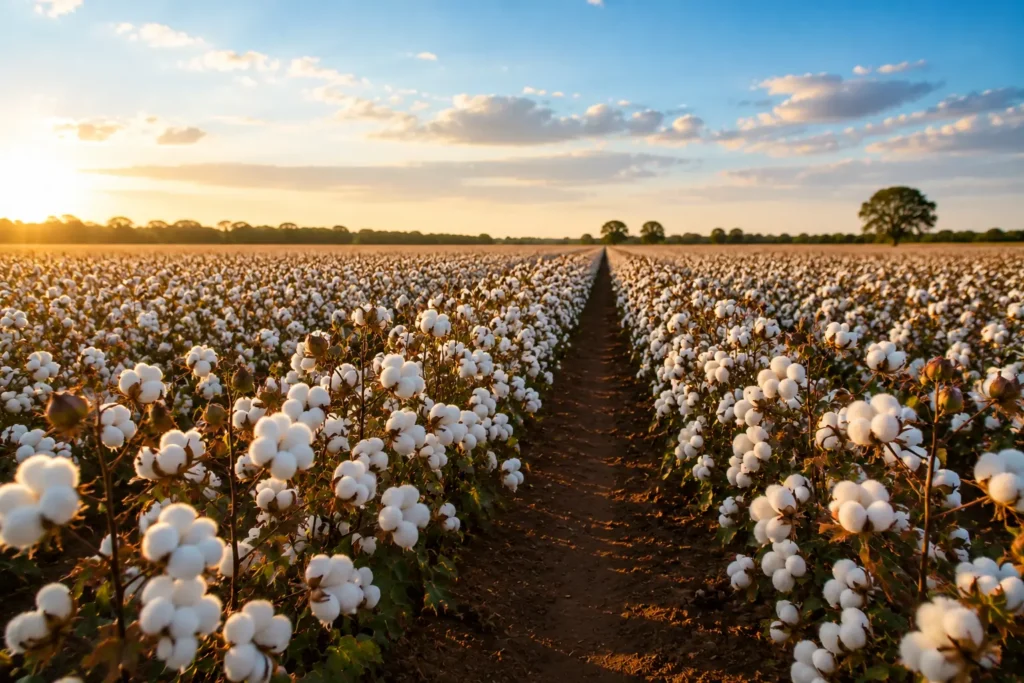
Cotton farmingrequires careful planning, from selecting the site to harvest. In this comprehensive guide, you’ll learn how to plant cotton, what climate conditions are favorable for the crop, how long it takes for cotton plants to produce, where cotton is grown in Brazil, and what factors influence profit, productivity, and fiber quality.
What is the name of the cotton plantation?
Cotton farming is also known ascotton cultivation,cotton fields, orcotton agriculture. The term "cotton agriculture" is widely used in technical literature and refers to the agricultural activity focused on growing cotton plants.
Cotton is one of the world's leading plant fibers and is of great importance to the textile industry. In Brazil, modern cotton production is typically mechanized, technologically advanced, and geared toward both the domestic market and exports.
According to the Ministry of Agriculture and Livestock, Brazil is among theworld's largestcotton producers, with Mato Grosso, Bahia, and Mato Grosso do Sul standing out as major producers.
How to plant cotton?
To begin with, the grower needs to choose an area with good drainage, conduct a soil analysis, correct soil acidity, and plan fertilization. The crop thrives in well-structured soil with balanced fertility and no compaction.
The basic step-by-step guide includes:
- Choose the appropriate cultivar;
- Prepare and amend the soil;
- Use high-quality seeds;
- Adjust the seeder;
- Perform pest and weed control;
- Monitor emergence, vegetative growth, flowering, bud formation, and harvest.
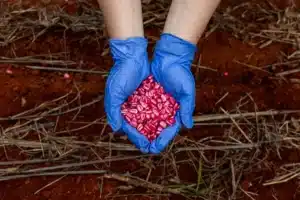
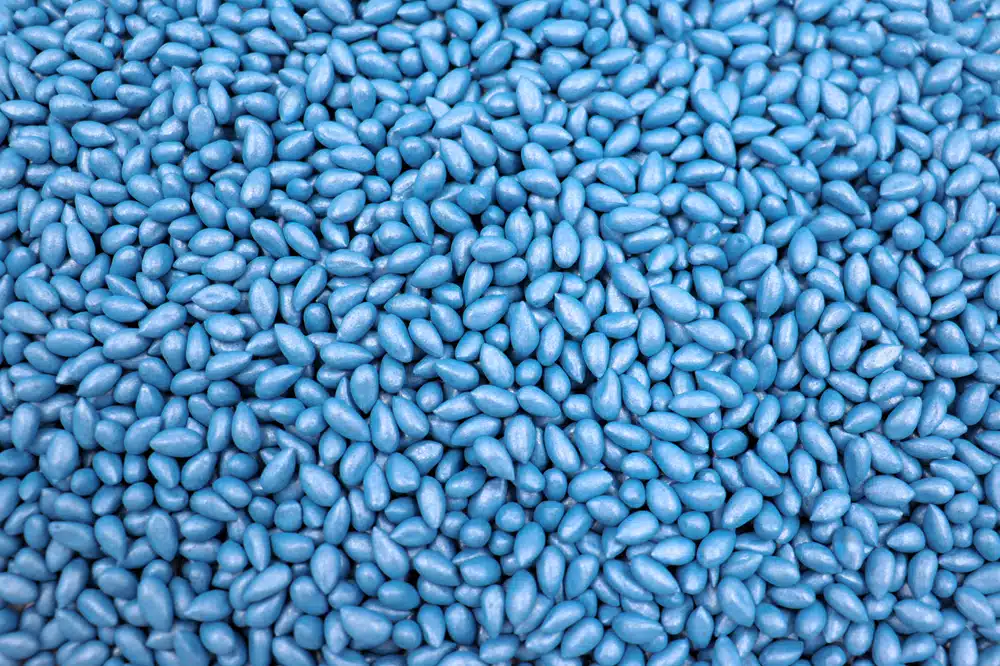
Another important precaution is thetreatment of cotton seeds, which protects the crop during its early stages and helps the plants become established.
What is the ideal climate for growing cotton?
Cotton plants grow best in a warm climate, with plenty of sunlight and a well-distributed water supply early in the growing cycle. However, excessive rainfall near harvest time can impair fiber quality.
Technical materials from Embrapa explain that the cotton plant depends onmoisture, temperature, and lightto germinate, grow, develop, and produce.
In general, the crop prefers high temperatures, periods of sunshine, and lower humidity during the final stage. Therefore, planning the planting season is essential to avoid heavy rain when the buds open.
A successful cotton crop doesn't depend solely on the weather. It also requires proper management, weed control, pest monitoring, and attention to the optimal harvest time.
How long does it take for a cotton plant to produce a crop?
The time it takes for cotton to mature varies depending on the cultivar, region, climate, and management system. On average, the cycle can last from four to seven months, including planting, growth, boll opening, and harvest.
During this period, the plant goes through emergence, vegetative growth, flowering, apple formation, bud break, and ripening. Each stage requires different attention from the grower.
In practice,crops must be monitored constantly, as delayed decisions can reduce productivity, fiber quality, and profitability.
What is the profit from 1 hectare of cotton?
The profit from 1 hectare of cotton depends on yield, lint price, production costs, the technology used, farm size, and harvest efficiency. Therefore, there is no single figure that applies to all regions.
Revenue comes from the sale of cotton lint and, in some cases, cotton seeds. Costs, on the other hand, include seeds, fertilizers, pesticides, machinery, labor, technical assistance, harvesting, transportation, and processing.
Conab provideshistorical crop data, including information such as planted area, production, and yield, which is useful for monitoring the cotton market.
Before investing, it’s best to create a spreadsheet that includes local costs, expected productivity, and the selling price.Profit in the cotton industry depends heavily on management and scale.
Where are there cotton plantations in Brazil?
Cotton cultivation in Brazil is concentrated primarily in the Cerrado, in areas with advanced technology, large estates, and good agricultural logistics. Mato Grosso and Bahia lead the country in production.
According to Embrapa, half of Brazil's cotton production came from justthree producing micro-regionsin a recent survey: Parecis, Alto Teles Pires, and Barreiras.

In addition to these hubs, there are also production areas in Mato Grosso do Sul, Goiás, Minas Gerais, Maranhão, Piauí, and other states. Expansion occurs mainly in areas with a favorable climate, technology, and crop rotation involving crops such as soybeans and corn.
Plantabilityis important in these regions because it helps ensure uniform seed distribution, reducing gaps in the initial stand.
How does the harvest work?
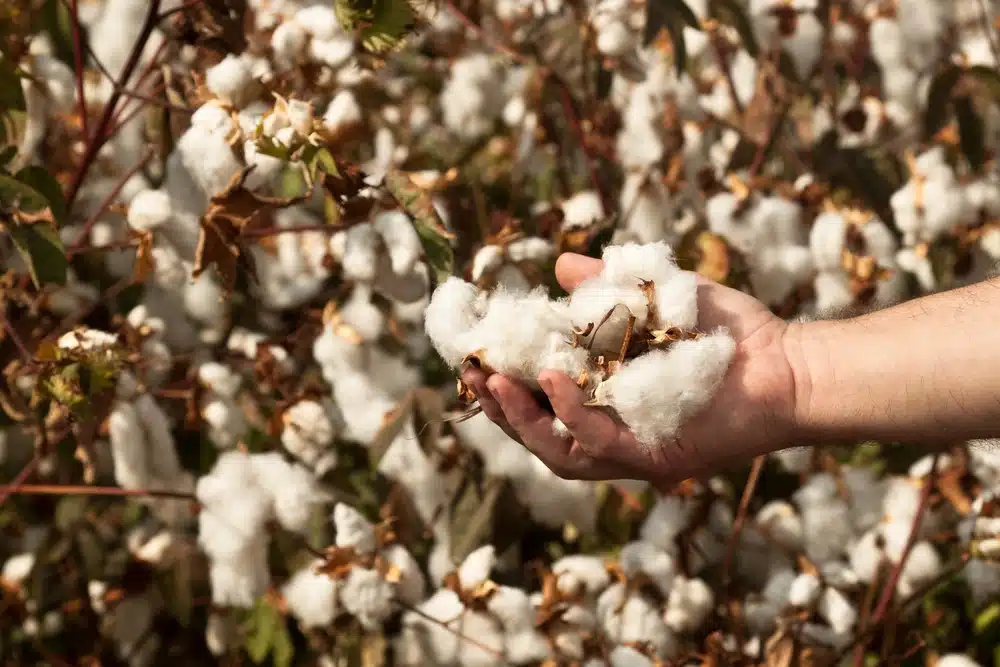
The cotton crop is harvested when the bolls are open and the fiber is ready for picking. In commercial fields, harvesting is usually mechanized.
Before harvest, growers can use certain practices to make the crop more uniform and facilitate the harvest. The goal is to reduce losses, preserve fiber, and improve processing yield.
After harvest, the cotton undergoes processing, a process that separates the lint from the seed. The lint is sent to the textile industry, while the seed may have other agroindustrial uses.
For good results, it is essential to harvest at the right time.Delays, moisture, and management errors can reduce fiber quality.
FAQ – Frequently Asked Questions About Cotton Farming
Is cotton easy to grow?
Cotton is not considered a simple crop because it requires technical management, pest control, balanced fertility, and harvest planning. For beginners, it is best to start by studying the crop, seeking agronomic guidance, and understanding the costs before investing in a production area.
When is the best time to plant cotton?
The best time of year varies depending on the region, climate, and production system. Growers should consult agricultural zoning guidelines and follow local recommendations to reduce climate-related risks.
Does cotton need a lot of water?
Cotton needs water mainly during the early stages and during reproductive development. However, excess moisture toward the end of the cycle can hinder bud opening and impair fiber quality. That is why the distribution of rainfall is just as important as the total amount.
What has the greatest impact on cotton productivity?
The main factors are climate, soil, cultivar, seed quality, pest control, weed management, and harvest time. A crop that is poorly established from the start tends to lose its yield potential, even if it receives good care in later stages.
Is it possible to grow cotton on a small farm?
It is possible, but cotton typically requires infrastructure, technical assistance, and access to processing facilities. On small plots, farmers need to assess the market, costs, logistics, and sales channels before planting. Without proper planning, the crop can become expensive and difficult to sell at a good profit margin.