Corn farmingis one ofthe most important agricultural activitiesin Brazil and around the world. If you’re just getting started in this field, it’s essential to understand the various aspects of this crop. It offers excellentprofit opportunitiesfor both small and large-scale producers, especially when you know the right techniques and invest incorn seed treatment.
Understanding the differences betweencorn varietiesand knowing how to applyfertilizerproperly are essential steps for a successful corn crop.
In this article, we will cover everything about planting green corn, planting white corn, and the crucial role of fertilizer in corn cultivation.
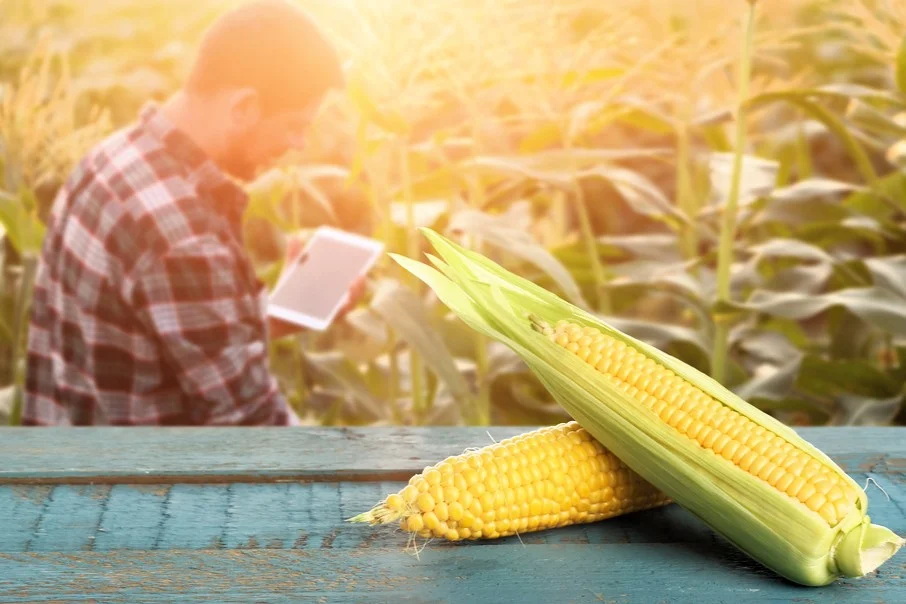
What is a cornfield like?
Corn cultivation begins withproper management of fertilization and the planting season. Before getting started, it is important to conduct a soil analysis to determine which nutrients are lacking.
This analysis is essential for determining thecorrect amount of fertilizerneeded throughout the entire cycle.
The process of plantingcorn seedsinvolvesseveral important steps.
First, you needto prepare the soil, which can be done using conventional methods (plowing and harrowing) or no-till farming (managing the existing crop residue).
Both types of soil preparationensure that the soil is ready to receive the seeds, each with its own specific benefits. Next, it’s time to choose the right seeds.
Hybrid seedsare the most commonly used inmodern corn farming because they offer higher yields and greater disease resistance.
The spacing between plants will depend on factors such as the planted area and the established plant density per hectare.
Seed density varies depending on the type of corn and the region’s climatic conditions. Planting depth depends on several factors, but primarily on the type of soil.
It is essentialto ensure proper seed distribution, ascorn planting densitydirectly affects the final plant stand and crop yield.
Field for harvesting green corn (fresh/for immediate consumption)
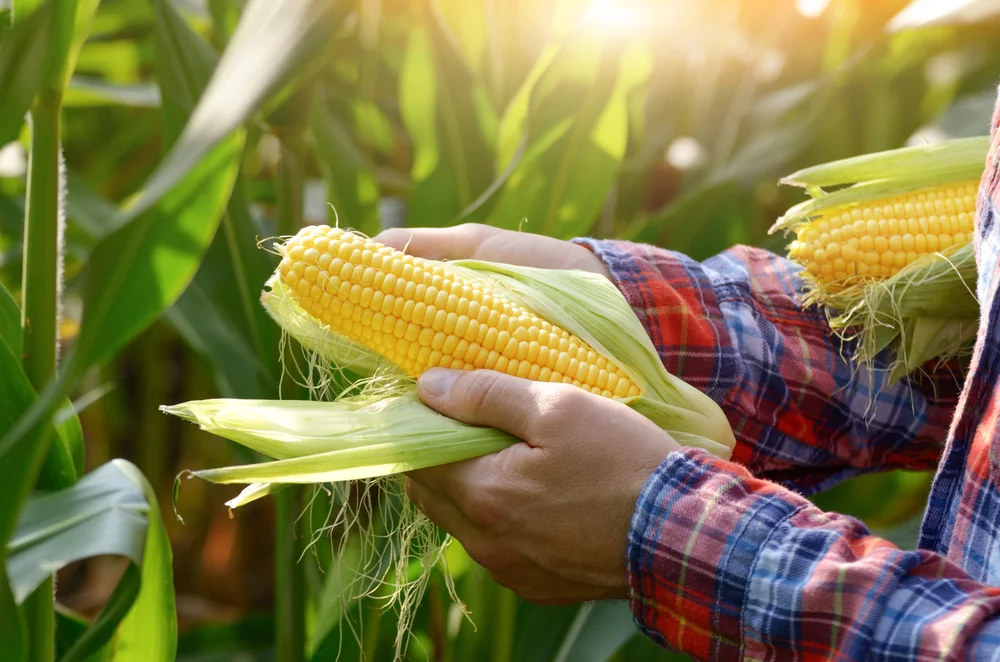
Thecultivation of green corn ischaracterized by harvesting the kernels when they reach the milky stage of maturity.
In this type of production, the grains are harvested while they still have a high moisture content.
This characteristic makes green cornideal for fresh consumption and industrial processing. This variety requires special care in terms of cultivation and harvesting.
The growing cycle is shorter than that of dry grain corn, and harvesting must be done at exactly the right time toensure product quality.
Green corn offersgreater added value in the market, as it is sold fresh, frozen, or processed into other byproducts, commandinghigher prices than regular corn.
This crop also requires greater attention to irrigation, aswater availability is crucial for maintaining the qualityof the grains.
White corn field
White corn is grownprimarily for human consumption, the food industry, and the production of corn-based products such as corn porridge, cornmeal, and corn flour, among others.
White corn varieties are selected to provide high-quality kernels with characteristics tailored to each type of processing.
This crop requiresproper management throughout its entire growth cycleto ensure the final quality of the product.
Production costs may vary depending on the technology used and the level of investment in inputs.
White corn providesmarket stability because there is constant demand from the industry.
Unlike green corn, it can be stored for longer periods, allowing producers to choose thebest time to sell it.
Fertilizer for corn crops
Fertilizer for corn cropsis essential to ensureproperplantgrowthand final yield.
The primary nutrients required are nitrogen, phosphorus, and potassium, known as NPK. Each of these elements plays a specific role.
Nitrogen is the most important nutrientfor corn cultivation, as it is considered essential for vegetative growth.
Phosphorus is essential forrootdevelopmentand for energy transfer within the plant.
Proper phosphorus management in crops contributes to a strong root system, allowing for better absorption of water and nutrients.
Potassium, in turn, improves the plant’s resistanceto water and plant health stresses, thereby enhancing the quality of the kernels produced in the cornfield.
In addition to macronutrients, fertilizer may also contain micronutrients such as zinc, boron, and manganese, which are important for plant metabolism.
Proper fertilizer applicationensures healthier plants, higher yields, and better finalproductquality.
How long does it take from planting to harvesting corn?
Theentire corn growing cyclecan range from120 to 150 days, depending on the variety and weather conditions.
This period is divided intodifferent stages of developmentthat you need to monitor closely to ensure the success of the crop.
Underthe right conditions, the seeds absorb water and begin to germinate.The seedling emerges within 4 to 5 days.
During the vegetative stages of maize, the aboveground parts and root system grow, and the plant develops more robust leaves and roots.
At this stage,corn cultivationrequires special attentionto water stress and pest control, as pests can damage young plants.
Duringthe reproductive stage, flower bud formation and pollination occur. Pollination must occur properly to ensure that the grains fill out.
The plant also goes through thegrain-filling process, during which it accumulates dry matter and starch. During this stage, the grainsincrease in size and weight.

At the end of the growing cycle, the plant reaches physiological maturity, at which point the ears are ready for harvest but still have a higher moisture content.
The decision on when to harvest will then be made based on the intended use of the grain and the drying infrastructure, if necessary.
What is the profit per hectare of corn?
Theprofitability of corn farmingis one of the main factors that attract farmers to this crop.
One hectare of it can yieldvarying amounts ofproduce, depending on the techniques used and the region’s weather conditions.
Theprofit from 1 hectare of corn crops is not a fixed amount, as various factors directly influence profitability.
Final yield depends on the quality of the seeds selected, proper crop management, water availability, and soil fertility.
Each of these factorsaffects the outcome of your crop. Production costs also vary significantly.
Treated seeds, fertilizers, pesticides, labor, and machinery are necessary investments thatmust be taken into account when calculating profits.
Farmers who invest in technology and proper management are able to achieve higher yields, therebysignificantly increasing their profits.

FAQ – Other questions about corn cultivation
How can pest management affect corn yields?
Effective pest control is crucial for preventing significant crop losses.Embrapa notesthat pests such as the fall armyworm (Spodoptera frugiperda) can hinder plant growth and reduce yield potential. Integrated pest management (IPM) combines monitoring, biological control, and the judicious use of pesticides to minimize economic impacts.
How does the weather affect corn crop yields?
The climate has a direct impact on corn development, particularly in terms of water availability, temperature, and solar radiation. According to Embrapa, water stress during the flowering and grain-filling stages can significantly reduce yields. Very low temperatures slow growth, while excessive heat can impair pollination and the crop’s yield potential.
Does crop rotation improve corn yields?
Yes. Crop rotation with soybeans, brachiaria grass, or other crops improves soil structure, reduces pest and disease pressure, and increases nutrient use efficiency.Studies by Embrapa Milho e Sorgoindicate productivity gains and greater sustainability in the production system.
Does using certified seeds make a difference in the crop?
Yes. Certified seeds undergo rigorous quality standards, ensuring genetic purity, vigor, and disease resistance, which enhances crop uniformity and performance.According to a publication by Rehagro, choosing high-quality seeds reduces stand loss, improves plant emergence, and leads to higher crop yields.