Cotton seed treatmentis an essential practice forprotecting seedsagainst pests and diseases. In this comprehensive guide, you’ll learn what seed treatment is, why it’s important, how it relates to germination, and what the stages of cotton development are—all explained in simple, straightforward language.
What is cotton seed treatment, and why is it important?
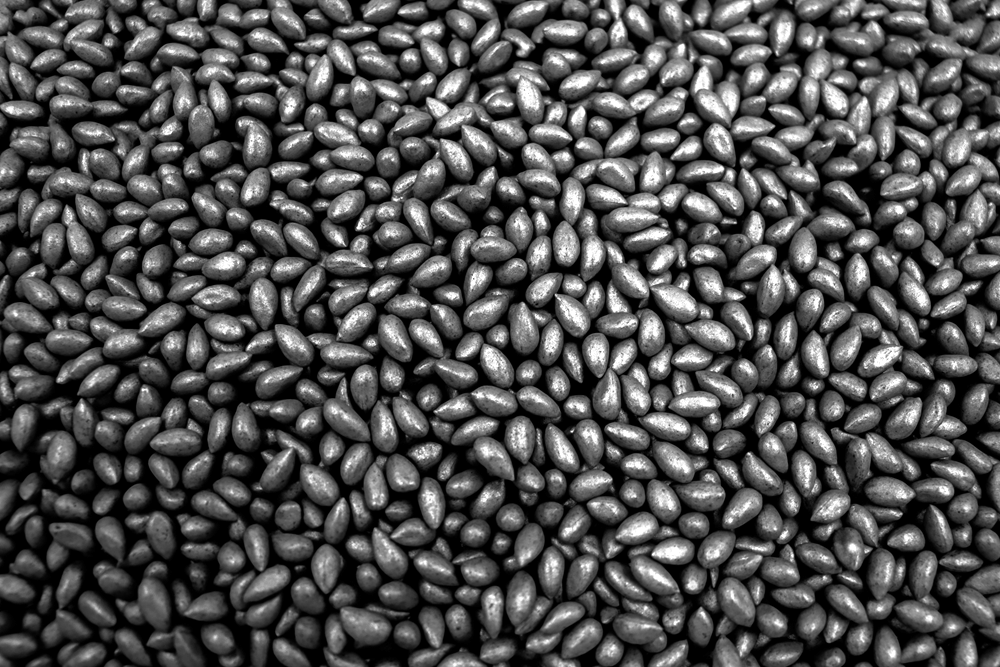
Cotton seed treatment involvesapplying products to the seeds before plantingtoprotect themagainstpests and diseases.
It reduces the activity of fungi and microorganisms,ensuring a safer, more uniform start with fewerseedlingfailures.
In addition to providing protection, the treatmenthelps plants reach their full genetic potential, resulting in more vigorous plants at the start.
With treated seeds, plant establishment becomes more uniform, management is simplified, andseedling quality improves, reducing the need for replanting.
What are the three stages of germination?
Understanding the stages of germination explains why seed treatment is so important at the beginning of the cycle.
Phase 1: Seed soaking
Germinationis the stage at which the seed absorbs water. Water is rapidly taken up due to the water potential gradient. This processtriggers the reactivation of metabolism.
Phase 2: preparatory biochemical process or growth induction
At this stage, water uptake decreases, but metabolism accelerates as the plant breaks down reserves (soluble and diffusible substances), transportsthem tothe embryo’s growth sites, and assimilates them.
Phase 3: Growth
In the final stage, cell division and expansion occur, along with the protrusion ofthe primary rootand the rupture of the seed coat.
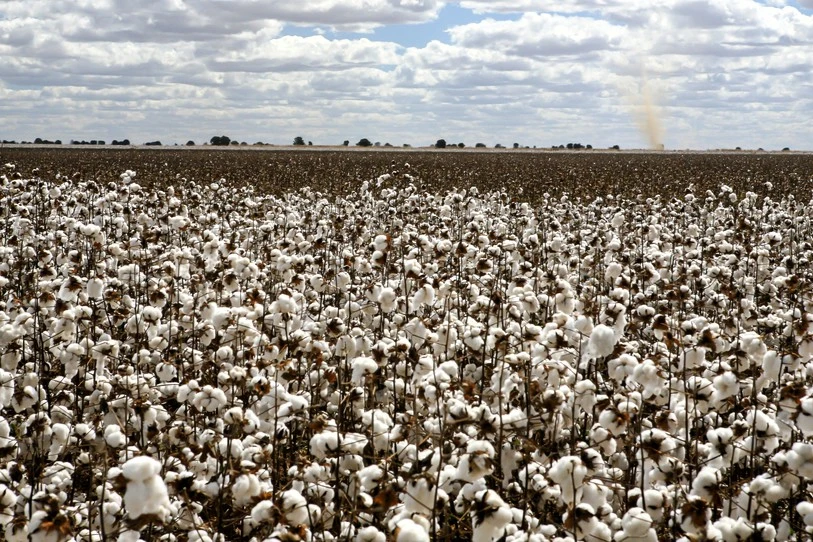
During the germination stages, seed treatment provides initial protection, helping to control pests and diseases. Proper seed treatment helps keepseeds more stable, preventing attacks by pathogens that could compromise seedling emergence.
What are the stages of the cotton cycle?
Understanding the stages of cotton growth helps growers understand how seed treatment affectsearly establishmentand impactscrop performance throughout the growing season.
Emergency and initial establishment
This stage begins immediately after germination and continues until the plant becomes established in the soil. Plants that are vigorous at this stage havea better chance of success throughout the growing cycle.
Cotton seed treatment is critical at this stage, as it reduces early losses through improved pest and disease control, and promotes more uniform plant growth, thereby facilitating subsequent management practices.
Vegetative growth
During the vegetative growth stage, the plant develops leaves, a stem, and a root system. This is a stage thatrequires a high intake of nutrients and good soil conditions.
Plants grown fromproperly treated seedstend to emerge more quickly and uniformly, reducing gaps in the crop stand.
Blooming
Floweringmarks thebeginning of the reproductive phase of the cotton plant. During this stage, the plant directs its energy toward the formation of the flowers that will develop into bolls.
Although the treatment is applied early in the growing season, its indirect effects are evident here, as well-established plants tend to bloom more uniformly.
Bud formation and opening
In the final stage, the buds form, fill out, and open. This is whencrop yield begins to become more clearly defined.
A good start, achieved through seed treatment, contributes tomore balanced plants, helping themmake the most of the final stages of the growth cycle.
How do you properly treat cotton seeds?
The treatment can be carried out throughindustrial seed treatment, which offers greater precision and standardization.
Theapplication must be uniformso that all seeds receive thecorrect doseandthe treatment remainseffective.
Followsafety andhandling guidelines. Although simple, this procedure requires carefulattention to avoid mistakes.
Practical tips for those new to cotton farming
For those just starting out, a fewsimple practicescan make all the difference inthe success of seed treatmentand crop development:
- Use seeds from a reliable source and of proven quality;
- Always follow the product's technical recommendations;
- Avoid inappropriate combinations in treatment;
- Store the treated seeds properly until planting;
- Plan your planting to suit the appropriate soil and climate conditions.
These measures helpreduce risksandincrease the likelihoodof a more uniform and productive crop.
FAQ – Frequently Asked Questions About Cotton Seed Treatment
Is cotton seed treatment mandatory?
Seed treatment is not required by law, but it is highly recommended. It reduces early losses, protects against pests and diseases, and improves crop uniformity, especially for new growers.
Does the treatment of cotton seeds affect germination?
When done correctly, seed treatment does not hinder germination. On the contrary, it protects the seed during the early stages, promoting faster emergence and a more uniform crop stand.
What is the difference between on-farm and industrial processing?
With on-farm treatment, the farmer applies the treatment on the farm. Industrial seed treatment, on the other hand, is carried out at specialized facilities, ensuring greater precision, standardization, and quality control.
Can I plant seeds right after treatment?
Yes, the seeds can be planted after treatment, provided that the storage and handling recommendations are followed. It is best to avoid storing them for long periods after treatment.