Soybean cultivation is one ofthe most strategic and profitable agricultural activitiesin Brazilian agribusiness, boosting the national economy and contributing to global food security. This comprehensive guide has been prepared for producers seeking to improve their techniques. We will covereverything from initial planning to harvest, focusing on the particularities ofsoybean cultivation in Brazil.
Understanding crop variables is essential to overcoming climate and market challenges, achieving a more productive and profitable harvest.
Technology, innovation, and conscious managementare fundamental pillars for maintaining a productive, sustainable, and competitive system in agribusiness.
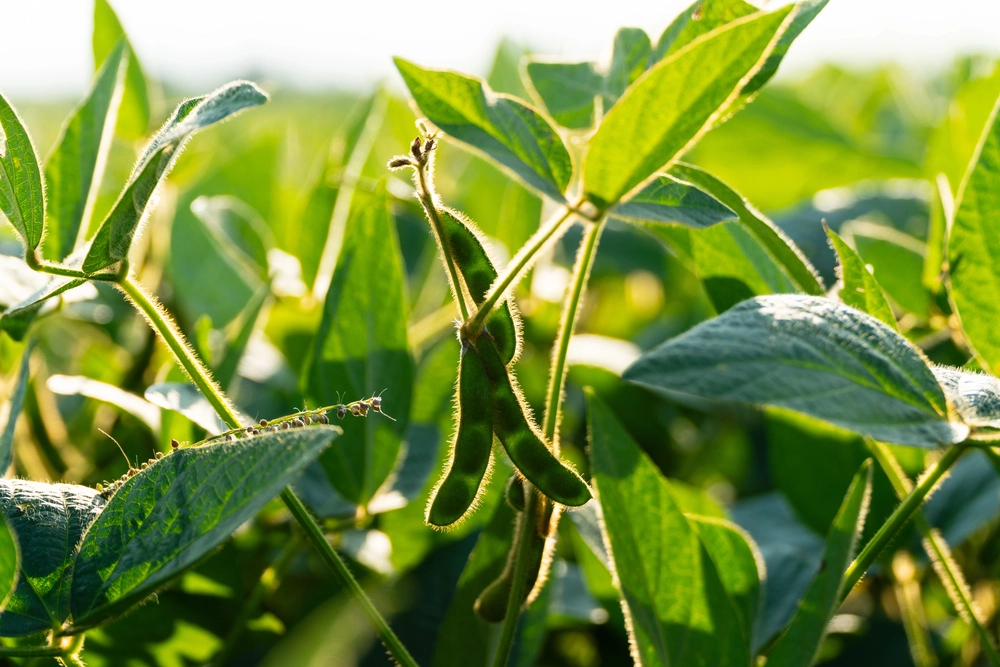
When is the soybean planting season in Brazil?
The soybean planting seasonvaries by region and depends directly on the climate, especially temperature and rainfall.
Planting at the right time will allow for better initial establishment of the crop and its development throughout the cycle.
In Brazil, soybean planting follows anofficial calendarset bythe Ministry of Agriculture, Livestock, and Supply (MAPA).
There is also the "sanitary void," a period during which soybeans cannot be kept alive in the field to prevent Asian rust and other diseases.
The ideal is to follow the Agricultural Climate Risk Zoning (ZARC) , which indicates the best window for each municipality.
Choosing the right seasonreduces the risk of losses due to water stress, temperature, frost, or germination failures, ensuring greater stability and profit.
These decisions directly impact the final productivity of the crop and theproducer's profitabilityat the end of the cycle.
How is soybean planting done?
Soybean cultivation consists of several fundamental stages,from soil preparation to sowing, including climate and pest control.
Each phase is strategically important for a successful harvest and must be carefully planned to avoid losses and increase production.
The adoption ofmodern techniques, high-quality soybean seeds and precision technologiesensure good establishment and better development.
Precision in each operation reduces waste, improves the use of inputs, and prevents losses due to planting failures.
In addition, the rational use of resources reduces costs and makes farming more sustainable throughout the production cycles.

Good practices for crop planning include steps such as choosing the planting season, seed treatment, and pest and disease control.
It is also important to monitor the climate and soil, optimizing decision-making and adjustments during the soybean cycle.
How is the soil prepared for cultivation?
Soil preparation is the basis for efficient soybean plantingand directly influences germination and crop productivity.
Theno-till farming systemconserves moisture, reduces erosion, improves temperature control, accumulates dry matter, and better preserves soil structure, promoting root development.
Previous vegetation cover improves the nutrient cycle, reduces weed infestation, and promotes biological balance.
Before sowing, it is essentialto perform soil analysisto assess chemical and physical attributes and define recommendations for liming and fertilization.
The straw acts as a thermal insulator and moisture regulator, which are critical factors in the early stages of soybean germination.
With well-prepared soil,the seeds will have the conditions they need to develop well, but they will still be greatly influenced by the soil and climate conditions of the environment.
How long does it take from planting to harvesting soybeans?
The complete soybean cycle, from planting to harvest,lasts an average of 90 to 140 days, and can reach 150 days for longer cultivars.
This time is influenced by the crop cycle and factors such as temperature, light, water availability, latitude, and altitude of the producing region.
Shorter cycles allowthe area to be used for other crops, such as second-crop corn, optimizing the annual agricultural calendar.
In addition, choosing cultivars adapted to the region shortens the cycle and facilitates harvest planning within ideal windows.
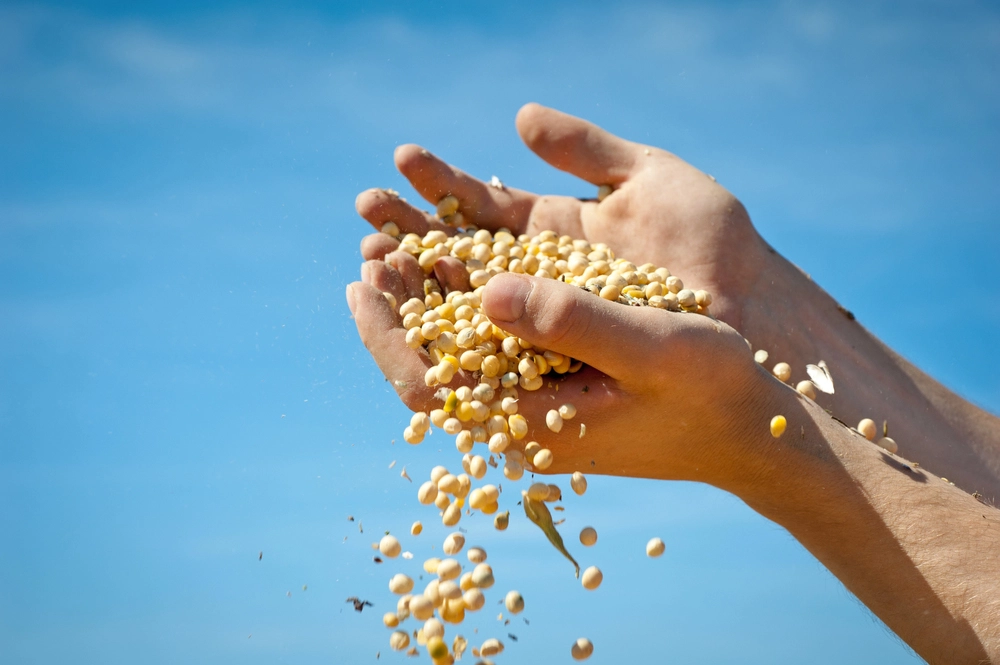
Monitoring crop development helpspredict the right time to harvest and avoid lossesdue to early or late harvesting.
Harvesting at the right time preserves the qualityand volume of production. This care ensures good results in marketing and in the harvested grains.
A well-defined schedule allows for better use of the drying, storage, and transportation infrastructure on the farm.
What is the profit from 1 hectare of soybeans?
The profit from planting soybeans on 1 hectarecan vary greatly depending on the region, climate, costs, and market price per bag.
There is no fixed value. Profitability depends on productivity per hectare and expenses with inputs, machinery, and labor.
It is essential to consider macroeconomic factors such as the dollar, foreign demand, logistics costs, and available agricultural credit.
Strategic financial management must track crop costs from soil preparation to harvest marketing.

FAQ (Frequently Asked Questions)
1. When is the best time to plant soybeans?
The best time for planting soybeans in Brazil is generally between September and December, coinciding with the onset of the rainy season. However, the exact date varies by region and should be determined based on agricultural zoning and local climatic conditions to avoid risks and optimize crop development.
2. What are the main costs of soybean cultivation?
The main costsof soybean cultivation include seeds, fertilizers, pesticides, machinery operations (soil preparation, sowing, spraying, harvesting), labor, and, in some cases, land rental. Efficient management of these costs is crucial for profitability.
3. Is it possible to harvest soybeans twice in the same year?
It is not common to harvest two soybean crops in the same area in the same year. Planting two consecutive crops of oilseeds can be done, under recommendation and with care, but in the long term this practice can have negative effects on plant health, weed control, and productivity due to the cycle and climatic conditions.
4. What are the biggest challenges facing soybean cultivation in Brazil?
The biggest challenges facing soybean cultivation in Brazil include climate variability (droughts, excessive rainfall), Asian rust, pest and disease management, resistant weeds, market price fluctuations, production costs, and the need for constant technological updates to maintain crop competitiveness and sustainability.