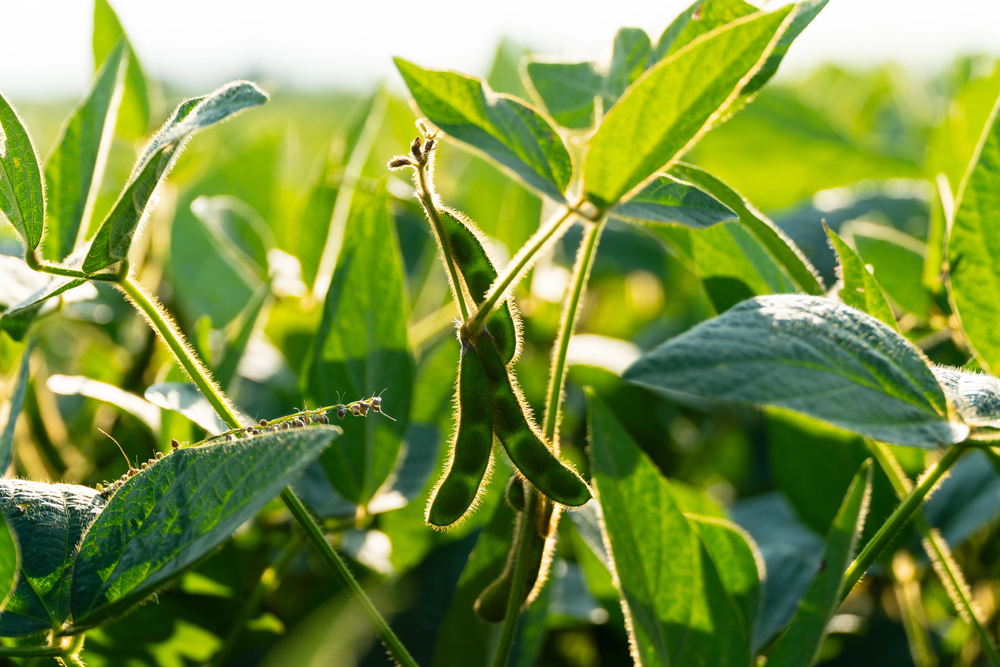
Soybean cultivation is one of the most important agricultural activities in Brazil and the world, playing a major role in the national economy and global grain trade. According to the National Supply Company (CONAB) and the United States Department of Agriculture (USDA), Brazil is among the global leaders in the production and export of the grain.
For those starting out in this sector, understanding how this process works, from preparing the soil to harvesting, is essential to guarantee good results and avoid common mistakes when planting soybeans.
In this article, we'll explain everything you need to know about soybean cultivation in Brazil, the specifics of soybean cultivation in Mato Grosso, and answer the most frequently asked questions from those who are just starting out.
Soy plantations in Brazil: a panorama of global prominence
Soybean plantations in Brazil cover millions of hectares and are the largest agricultural crop in terms of cultivated area and production volume. It is one of the mainstays of the national economy.
The country is the global leader in soybean exports, especially the states of Mato Grosso, Paraná, Goiás and Rio Grande do Sul, as recorded in surveys by the National Supply Company (CONAB) and the Brazilian Institute of Geography and Statistics (IBGE).
+ READ MORE: TSI soybeanhow industrial treatment contributes to seed plantability
This leadership is the result of intense investment in technology, research and advanced agronomic management. The soy production chain has a major impact on the Gross Domestic Product (GDP) of agribusiness and generates direct and indirect jobs in various regions of the country.
Soy plantations in Mato Grosso: the heart of Brazilian production
The soybean crop in Mato Grosso represents the largest volume of production in the country. It consolidates the state as Brazil's main grain granary. This status is demonstrated in CONAB's harvest reports and in analyses by the Mato Grosso Institute of Agricultural Economics (IMEA).
Mato Grosso has a favorable climate, large areas available and an agricultural tradition. Mato Grosso's cerrado plains offer ideal conditions for large-scale mechanization. Cultivation there begins shortly after the end of the sanitary void and with the arrival of the first regular rains, respecting the agricultural calendar defined for the state.
A large number of producers in Mato Grosso have invested in cutting-edge technology, such as GPS machines, drones, management software, among others, especially on medium and large properties, with the aim of increasing productivity, remaining competitive and minimizing environmental impacts.
How is soybean planting?
Soybean planting is a process that requires attention at every stage. When carried out properly, it ensures that the soybean plantation achieves good results in terms of productivity and quality.
The first step is soil analysis, which identifies the level of nutrients and the need for corrections, such as liming. Then the soil is prepared, which can be done using the conventional system or no-till, the latter being widely recommended because it preserves the soil's moisture and structure.
The choice of seed is also decisive. It's important to choose varieties that are adapted to the region, resistant to pests and diseases and with good production potential. After that, seed treatment helps to protect the seed at the start of the cycle and can include the use of inoculants, nutritional products, polymer to make the treatment more adhesive, among others.

In the sowing phase, the correct adjustment of the planter ensures good distribution and even spacing of the seeds. Fertilization should be based on soil analysis, ensuring the essential nutrients for crop development. During the crop cycle, pest, disease and weed control is essential and must be carried out in an integrated and planned manner.
In regions with greater climatic risk, irrigation can be used as an alternative to increase production stability, with the center pivot being a sprinkler irrigation method that has stood out for its efficiency in water distribution, high degree of automation and ease of adaptation to different growing conditions.
+ READ MORE: Pelletized seed: technology revolutionizing sustainable agriculture
Finally, constant monitoring of the crop makes it possible to identify problems early on and make the necessary adjustments.
In short, a successful soybean plantation depends on a combination of planning, monitoring and good management practices at all stages of the cycle.
What is the profit from 1 hectare of soya?
The profit from 1 hectare of soybeans can vary, as each property has its own conditions. Factors such as the region, type of soil, climate, technologies used and, above all, the way they are managed all have a direct influence on the result.
Some of the main elements that affect profitability are:
- Production costs: these include seeds, fertilizers, pesticides, machinery, fuel, labor and, in some cases, land rent;
- Productivity: depends on the management adopted, soil fertility and climatic conditions;
- Market price: varies according to internal and external quotations, as well as demand and transportation logistics
- Farm management: involves planning, controlling expenses and using resources efficiently
- Risk management: includes practices such as crop rotation and agricultural insurance to reduce losses in adverse situations.
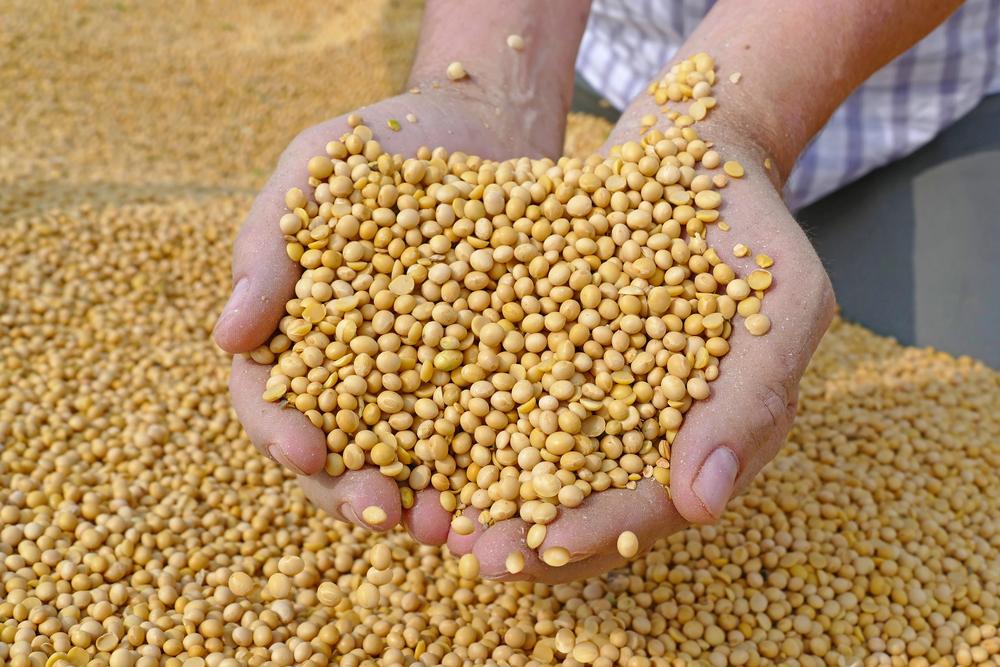
In short, the profit from 1 hectare of soybeans results from the balance between costs and income. With proper planning, good management practices and attention to the market, it is possible to obtain good returns, although external factors such as the weather and the price of the grain should always be taken into account when planning the harvest.
How long does soybean planting take?
The time needed to plant soybeans can vary greatly. In smaller areas, the process is usually simpler and quicker, while in larger properties it can take more days, depending on the amount of machinery available, the workforce and even the weather conditions at the time of sowing.
On well-equipped properties with modern machinery, planting tends to be completed in less time. On the other hand, in areas that use more traditional practices, the operation tends to take longer, but is still efficient when well planned. The most important thing is that sowing takes place within the ideal window, respecting each region's agricultural calendar.
In addition to the sowing time itself, it is essential to consider the complete soybean cycle, which runs from planting to harvest and can last several months. During this period, the crop goes through different stages of development, from initial growth to grain filling, until it reaches the right point for harvesting.
In short, planting is a relatively quick stage, but the entire crop cycle requires planning and constant monitoring so that each stage takes place at the right time and the soybean crop achieves good results.
When does soybean planting start?
The start of soybean planting depends on each region's agricultural calendar. This calendar takes into account factors such as climate, soil type, availability of rain and phytosanitary measures to protect the crops against diseases.

In general, planting takes place right after the period known as the sanitary void, which according toOrdinance No. 1,124, is the "defined and continuous period in which it is forbidden to cultivate, maintain or allow, at any vegetative stage, live emerged plants of a plant species in a given area".
From then on, each region must follow the sowing calendar, respecting the "date from which the presence of emerged seedlings in the field is permitted" and the "date until which the sowing of soybeans in the field is permitted" (Art. 7, § 1 ofOrdinance 1. 124).124), and it is the responsibility of the Ministry of Agriculture and Livestock Defense (MAPA), in its own normative act, to establish the sanitary void periods (of at least 90 days) and the soybean sowing calendars, at a national level (Art. 8 ofOrdinance 1,124) and the state plant health defense agencies to present proposals at a state level (Art. 6, § 4 and Art. 7, § 4 ofOrdinance 1,124, respectively).
What is the soybean cycle?
The soybean cycle is divided into two phases: vegetative and reproductive, each with its respective subdivisions identified as stages.
The vegetative and developmental stages include germination (in which the soybean seed begins the germination process by absorbing water in quantities equivalent to 50% of its weight), emergence, followed by the other vegetative stages of development.

The reproductive and development stages include vegetative growth (vegetative growth and the production of new nodes continue during some reproductive stages), flowering, pod formation and development and seed filling. This is one of the most sensitive phases of the crop, in which adverse weather conditions or attacks by pests and diseases can seriously compromise productivity.
+ READ MORE: Seed treatmentthe technology transforming agriculture
Each of these phases is crucial to the success of the soybean crop. That's why, even if the entire cycle only lasts a few months, constant monitoring is essential to identify problems and guarantee a healthy crop until harvest.