Seed coating is one of the most important technologies in modern agriculture when it comes to safety and efficiency in handling and planting. Applied during seed treatment, the use of Film Coating forms a protective film that preserves the inputs used, such as fungicides, insecticides, biologicals and others, prevents losses due to abrasion and leaching, and can also contribute to more uniform planting.
Among the techniques used, polymer seed coating (Film Coating) is widely recognized for its ability to protect the treatment film during all the stages up to sowing, making it a strategic solution that supports operational performance in the industry and in the field.
Understand how polymer seed coating works
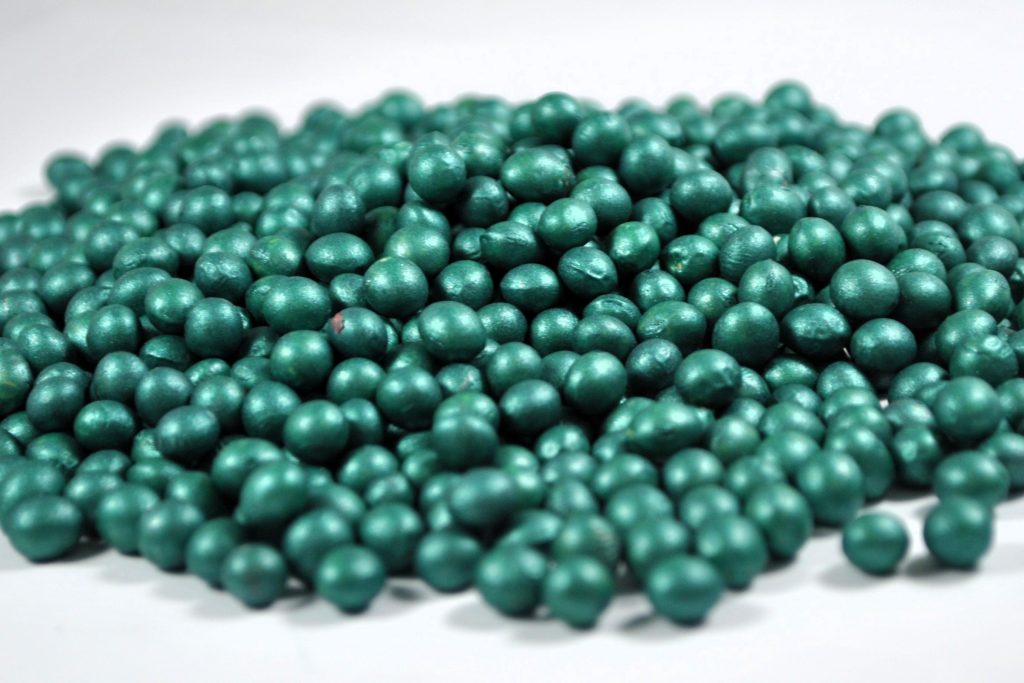
Seeds are coated with polymer by applying a thin, uniform layer during seed treatment. The main function of this coating is to protect the products applied to the surface of the seed, such as pesticides and biostimulants, ensuring that they remain adhered until planting time. The film formed by the polymer does not alter the physiological quality of the seed, but acts as a protective layer that reduces losses due to friction and dust. This is essential for maintaining the integrity of the treatment, especially in industrial processes or long-distance transportation.
+ READ MORE: Seed coating could reach USD 5 billion in market value by 2032
Benefits of seed coating for agriculture
Seed coating offers direct benefits related to the safety, stability and practicality of using treated seeds. These include:
- Protection of the treatment film against wear during transportation and handling.
- Reduced dust emissions, creating a safer environment for operators and machines.
- Uniform distribution of inputs, thanks to the homogeneous coating on the seeds. It's important to note that the coating doesn't interfere with the physiological quality of the seeds, but good crop establishment will also depend on external factors such as soil, climate and proper management, and most importantly quality seeds.
Treated seed: how it works and how important it is
Seed treatment is a process in which pesticides, micronutrients, polymers and other products are applied directly to the seeds in order to protect them against pests, diseases and adverse conditions.
Correctly treated seeds arrive in the field in more stable conditions, and the use of Film Coating helps to preserve these treatments by creating an additional layer of protection. This prevents products from being lost during storage, transportation or planting, favoring a safer and more efficient process. Among the technologies used, Superior Protection stands out for going beyond the basic coating. Made up of two components - LabFix G5 Platinum (a high-performance polymer) and LabSec Superfluid Graf (a drying powder with high fluidity power) - this solution offers protection against abrasions and improves the fluidity of the seed in the planting system, optimizing agricultural logistics without altering the quality of the seed.
+ READ MORE: Seed treatmentHow does the treatment work and why?
The relationship between coating seeds with Film Coating and plantability
Plantability is an essential concept for guaranteeing uniformity and efficiency in planting. It refers to the ability to distribute seeds precisely in the soil, both in terms of spacing and depth, promoting the best use of resources such as light, water and nutrients.
Coating seeds with Film Coating (polymer and drying powder) helps with plantability by protecting the treatment film and maintaining uniformity in the appearance of the seeds. This is especially important in crops such as soybeans and corn, which require precision planting to avoid irregularities such as gaps and doubles.
Technologies such as Superior Protection contribute directly to more fluid and stable planting, reducing friction between seeds and enabling better machine performance, a relevant technical benefit for those seeking efficiency in the field.
Differences between seeds treated with and without Film Coating
The main difference between a seed treated with Film Coating is the addition of the protective film. The treated seed receives inputs directly on its surface and is surrounded by a layer that protects and stabilizes these inputs with the addition of the polymer. This film is valuable when you want to keep the treatments adhered for longer and avoid losses due to abrasion and leaching. The version with Superior Protection adds additional operational advantages, such as greater resistance and fluidity, contributing to planting performance without affecting seed quality.
+ READ MORE: Seed treatmentthe technology transforming agriculture
Care when choosing the right seed coating
When choosing a type of seed coating, it is important to consider:
- Compatibility with the inputs used in the treatment.
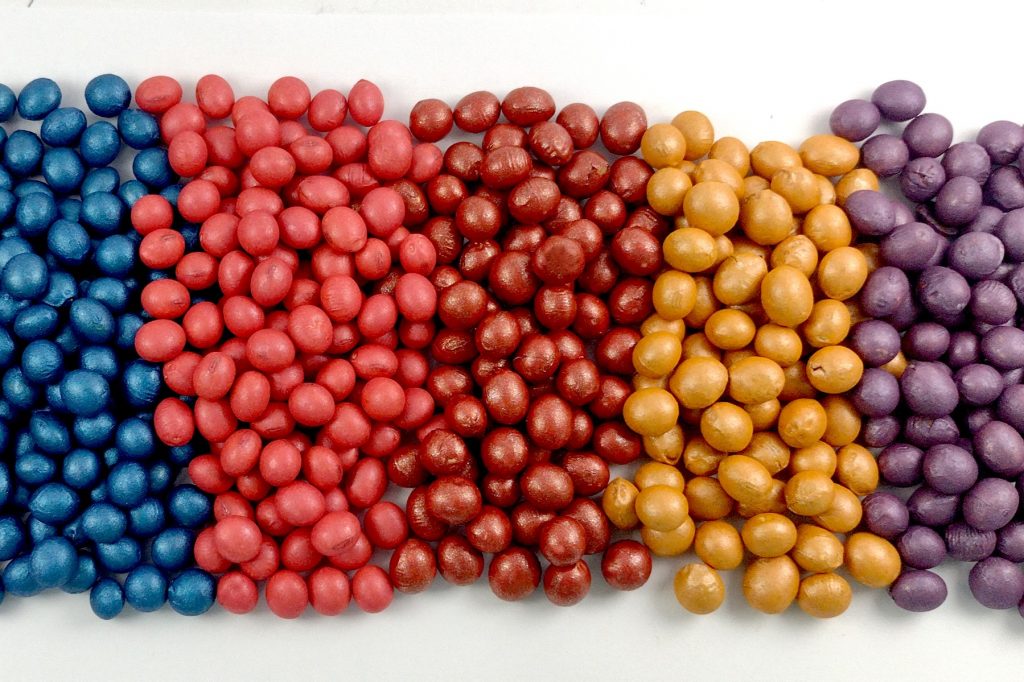
- Purpose of the coating, such as film protection or visual identification.
- Type of crop and planting system, which define the need for more robust technologies such as Superior Protection.
Adopting suitable coatings helps the farmer to better organize planting and protect the seed treatment, contributing to the greater integrity of the products applied, such as fungicides and insecticides.
+ READ MORE: PlantabilityWhat is plantability and why is it crucial to agricultural success?