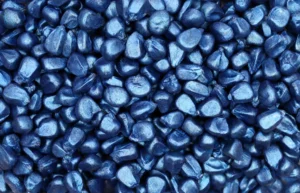
Soybeans are one of the most important pillars of world agriculture, especially in Brazil, which stands out as one of the largest global producers. Considered a crop of great economic and nutritional importance, soya offers a wide range of applications, from the production of oil and bran to the manufacture of biofuels. In addition, its cultivation plays a significant role in crop rotation, helping to improve soil fertility.
In this article, we'll cover everything about soybean seed, including soybean seed treatment, the types of soybean seed available on the market, the best soybean seed options for planting, the advantages of treated soybean seed and how the price of soybean seed can vary according to different factors.
Soybean seed treatment
Soybean seed treatment is an essential stage in ensuring successful planting and, consequently, a productive harvest. This process involves applying chemical, biological and nutritional products to the seeds before planting, with the aim of protecting them against pests, diseases and other factors that could compromise their germination and initial development.
Seed treatment can be done industrially, by applying products directly to the seed evenly and in the correct doses, or directly on the farm with TS On Farm, where the grower carries out the treatment in his own area. The most commonly used products include fungicides, insecticides, nutritional and biological products, which guarantee protection during the critical germination period.

The advantages of soybean seed treatment include:
- Initial protection against pests and diseases: ensures that the seeds get off to a healthy start;
- Reduced losses: with a lower incidence of pests and diseases, producers are able to reduce losses in the field;
- Rational use of pesticides: industrial seed treatment allows for the efficient use of products, ensuring that they are applied in the correct doses and with greater distribution on the seeds, minimizing the subsequent application of pesticides.
The type of treatment should be chosen according to the specific conditions of the planting area, taking into account the history of pests and diseases, crop rotation and soil type.
Soybean seed for planting
Choosing the best soybean seed for planting is a crucial decision that has a direct impact on crop productivity. High quality seeds guarantee greater germination, vigor and uniformity, which are determining factors for a successful harvest.
When choosing the ideal soybean seed for planting, certain criteria must be taken into account:
- Genetic quality: the seeds must have high genetic purity, i.e. be varieties or hybrids that guarantee the expected productivity;
- Physical quality: the seed must be free of impurities, such as straw residue or seeds from other species;
- Physiological quality: refers to the vigor and germination capacity of the seed. Seeds with high vigor germinate quickly and uniformly, which is essential for the competitiveness of the crop.
- Adaptation to local conditions: different varieties of soybean are better suited to certain climatic regions. Choosing a seed adapted to your region guarantees better performance.

In addition, it is important that the seeds are purchased from certified suppliers and that they strictly adhere to production and storage standards, guaranteeing the delivery of a quality product.
Types of soya beans
There are several types of soybean seed on the market, each with specific characteristics and purposes. Producers can opt for conventional, genetically modified or hybrid seeds, depending on their needs and the conditions of the crop.
Conventional seeds
These are seeds that have not undergone genetic modification. They are ideal for producers who want to avoid using genetically modified organisms (GMOs) in their production. However, their cultivation may require the intensive use of pesticides, since these seeds have no built-in protection against pests and diseases.
Transgenic seeds
These seeds have been genetically modified to incorporate genes that confer resistance to herbicides, pests or other adverse conditions. In Brazil, the majority of soybean crops use transgenic seeds, which are easier to manage, especially in terms of weed control.
Hybrid seeds
Although still not as popular as transgenic seeds, hybrid seeds have been gaining ground in the soybean market. They are the result of crossing different varieties of soybeans, seeking to combine desirable characteristics of both, such as greater resistance to diseases and pests and better adaptation to adverse climatic conditions. Each type of seed has its advantages and disadvantages. Transgenic seeds, for example, offer greater protection, but can be more expensive and are not accepted in all international markets. Conventional seeds, on the other hand, are an option for those looking for organic or non-GMO markets, but may require greater use of agricultural inputs.

Treated soybean seed
Treated soya beans come with additional protection against pests, fungi and other threats that could compromise their development. The treatment is carried out before planting, which means that the farmer already buys the seeds ready to be sown, eliminating the need to carry out the treatment in the field.
The main advantages of treated soybean seed include:
- Greater practicality: the producer does not need to treat the seeds, saving time and resources;
- Immediate protection: the seeds are delivered to the producer protected, ready for planting;
- Lower risk of failures: as the treatment is carried out under controlled conditions and with machinery specifically designed for seed treatment, it is more effective, reducing the risk of pesticide application failures.
However, it is important that farmers store treated seeds properly, avoiding conditions that could compromise their viability, such as humidity and high temperatures.
Soybean seed prices
The price of soybean seed varies according to several factors, such as the variety chosen, the technology involved (transgenic or conventional seeds), the treatment applied and the region where the seed will be used. In addition, market supply and demand, as well as weather conditions, also have a direct influence on prices.
In general, transgenic seeds tend to cost more due to the technology involved in their development. On the other hand, these seeds can reduce the use of herbicides and insecticides, which can offset the initial investment. Producers should also consider that by purchasing high-quality seeds, they will be investing in higher productivity and lower risk of losses. Therefore, the cost-benefit of the seed must be analyzed globally, taking into account not only the purchase price, but also the costs associated with handling and the result.