Agriculture is constantly evolving and the search for technologies that optimize processes and increase productivity is incessant. In this scenario, pelletized seed has stood out as an innovative and efficient solution. Whether growing vegetables, such as pelleted lettuce seed, or large crops, this technology provides significant benefits for farmers and producers.
More than a technological innovation, pelleted seed represents a silent revolution in the field, bringing efficiency, sustainability and concrete results to the agricultural sector. In this article, we will explore in detail the concept, benefits and applications of this technology, as well as discussing how it can contribute to sustainability.
What is pelleted seed?
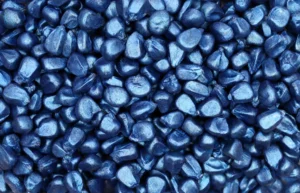
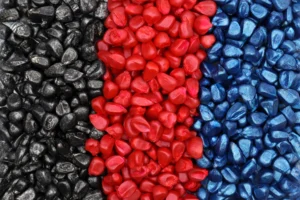
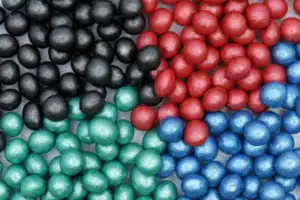
Pelletized seed is a technology developed to facilitate the handling, planting and initial development of agricultural crops. It is a seed that receives a coating made up of materials such as biodegradable polymers, fertilizers and other additives that promote its protection and performance.
This coating not only standardizes the size and shape of the seed, but also makes it more resistant to adverse conditions, such as excess humidity, water shortages and attacks by pests and fungi. In addition, it can contain essential nutrients that promote faster and more efficient germination.
Benefits of pelleted seed
The use of pelleted seeds brings a series of advantages that have a direct impact on productivity, resource savings and sustainability. The main benefits include:
Easy planting
The standardization of pelleted seeds makes planting more practical and efficient, allowing for uniform distribution in the soil. This reduces problems such as seed failure or waste.

Uniform germination
The coating helps ensure that all the seeds have the same germination conditions, resulting in a more homogeneous crop.
Reducing losses in the field
The extra protection of the seeds minimizes the impacts caused by external factors such as heavy rain, drought or attacks by insects and pathogens.
Saving on inputs
Precision planting, combined with protection against losses, significantly reduces seed and pesticide consumption.
Sustainability and less environmental impact
The rational use of inputs is one of the main contributions of pelleted seed to the environment. The technology allows for more efficient management, with less ecological impact.
Pelletized seed: lettuce
In vegetable growing, pelleted lettuce seed is one of the most widely used, especially by small and medium-sized producers looking for efficiency and quality. Lettuce is one of the most sensitive vegetables when it comes to planting and development, and the use of pelleted seeds can be decisive for the success of the crop.
This technology is widely used in systems such as hydroponics, protected cultivation in greenhouses and also in the open field. Thanks to the uniformity of the pelleted seeds, it is possible to guarantee consistent germination and, consequently, a high-quality harvest.

In addition, pelletized lettuce seed is essential to meet market demand, which values visually attractive vegetables that are free from imperfections. The use of this technology also reduces the need for replanting, saving the farmer time and resources.
+ READ MORE: Protecting seeds: technologies and practices for good initial crop establishment
Products for pelletizing
There are currently two outstanding products in the pelletizing process in Brazil. These are the LabGum and LabMax solutions, which together coat the seeds, resulting in a homogeneous product with a smooth appearance and superior mechanical resistance, promoting greater plantability.
LabGum is a product that dissolves easily at room temperature, providing excellent adhesion even at low concentrations. It is non-toxic to humans and does not interfere with seed physiology, making it ideal for guaranteeing an efficient and safe coating.
LabMax is suitable for coating, providing homogeneity in the size and shape of seeds. It also works as a vehicle for active ingredients and additives such as fungicides, insecticides, nematicides and biopromoters. In addition, LabMax does not interfere with germination rates, offering versatility and safety in the process.
Differences between pelletizing and fouling
Although pelletizing and encrustation share some similarities, each technique has specific characteristics that meet different agricultural needs.
In pelletizing, the aim is to create a uniform layer that significantly increases the size and weight of the seeds, giving them a smooth, homogeneous shape. This process is ideal for situations where mechanized planting requires high precision, as well as allowing the incorporation of various active ingredients that promote seed protection and development.
Inlaying preserves the original shape of the seed, smoothing out surface imperfections. It is an efficient solution for short-term needs and situations where the original shape of the seed must be maintained.
Sustainability and future prospects
Pelletized seed is in line with sustainability trends in agriculture. By optimizing the use of inputs and reducing losses, this technology contributes to more responsible and environmentally friendly farming practices.
In addition, advances in research and development in the area of pelletization promise to offer even more advanced seeds, with intelligent coatings that release nutrients in a controlled manner and adapt to soil conditions.