Corn seed treatment is an essential practice for protecting seeds and seedlings, especially against fungi and pests present in the soil or associated with the seeds. In this comprehensive guide, you’ll learn what TSI is, when to apply fungicides, which pests require attention, and how to make safer decisions.
The start of the growing season directly affects the final plant stand. When emergence is poor, the corn loses uniformity, does not fill the space well, and may yield less.
Therefore, the use of high-quality seeds combined with proper seed treatment should be viewed as a preventive measure in crop management.
It doesn't solve all problems, but it reduces risks during the plant's most sensitive period.
What is corn seed treatment?
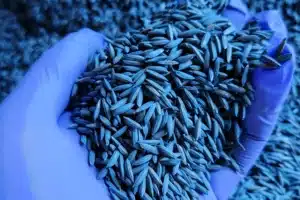
Corn seed treatment involves applying registered products to the seeds before planting. The goal is to protect the seeds from pests and diseases during the germination phase and the early stages of crop development.
This protection is important because some fungi may be present in the soil or associated with the seeds, affecting germination and the initial establishment of the crop.
Insecticides may also be used in the treatment. According to Embrapa, seed treatment is one of the management strategies for reducing damage caused by early-stage corn pests.
What is the best fungicide for corn?
There is no single "best" fungicide. The choice depends on the target disease, the region, pathogen pressure, the crop stage, and the product's registration.
For seeds, the fungicide must protect against soil-borne and seed-borne fungi. It must also be inert with respect to the physiological quality of the seeds, so it is necessary to adhere to the recommended dose and follow the package insert.

It is essential to consult the package insert for each product. The MAPA system lists registered products for the control of pests, diseases, and weeds in Brazilian agriculture.
Therefore, the selection should take into account the target pathogen, the area’s history, the seed’s sanitary quality, and the product’s registration for corn cultivation and its intended use.
When should fungicide be applied to corn?
The fungicide can be used before planting, to treat corn seeds, or after emergence, in foliar applications, when technically indicated.
Before planting (applied directly to the seeds), it protects the early growth stage. This step is useful in areas with a history of fungal diseases, seeds of poor sanitary quality, or conditions conducive to disease.
The use of foliar fungicides, on the other hand, depends on monitoring. Growers should observe symptoms, weather conditions, the hybrid variety, the plant’s growth stage, and the agronomist’s recommendations.
What is TSI treatment, and what is its purpose in agriculture?
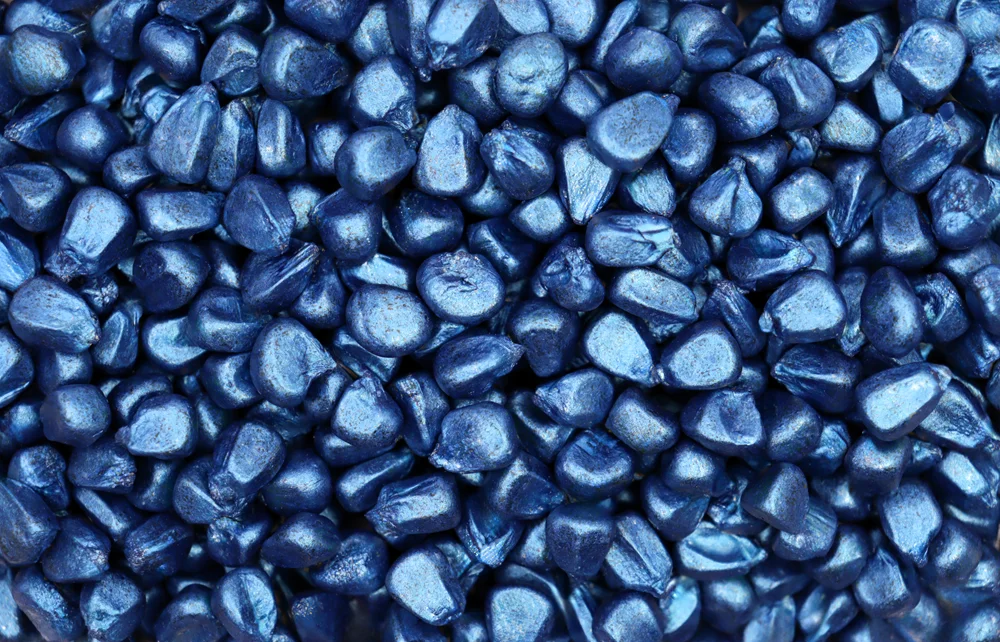
TSI stands for Industrial Seed Treatment. In this model, the seed is already treated by the time it reaches the farmer, ensuring more standardized application and operational control.
In agriculture, TSI helps reduce dosage errors, improve seed coverage, facilitate operation, and promote plantability—especially when used in conjunction with products that preserve or enhance flowability—due to the uniform distribution of seeds during planting.
Even so, the grower needs to check which products were used, their control targets, and whether the treatment addresses the actual risk in the area.
When should the first fungicide application be made on corn?
The first foliar application of fungicide on corn should not be based solely on a schedule. Ideally, the decision should be based on the crop’s risk.
In many cases, the need for attention increases during the advanced vegetative stages and as flowering approaches. However, this varies depending on the region, hybrid, and disease present.
Investing too early can result in costs without a return. Investing too late can reduce control and lead to greater losses. That is why monitoring and technical assistance are essential.
What are the top 5 corn pests?
Pests vary by region, planting season, and production system. Even so, some appear frequently and require attention from the very beginning of the growing season.
- Cabbage looper: attacks leaves and the head, hindering the plant's development;
- Green-bellied stink bug: causes damage to seedlings, can deform young plants, and affect plant density;
- Pests: They attack the roots, impairing the absorption of water and nutrients and hindering the plants’ early development;
- Termites: They can attack seeds, roots, and young plants, compromising germination and early growth;
- Corn leafhopper: It is of particular concern because it transmits pathogens associated with stunting, which are diseases that reduce plant size, affect ear formation, and decrease yield.
How can we improve management starting from planting?
The first step is to understand the area's history. Locations with a history of pest or disease outbreaks require more attention during planning and monitoring.
It is also important to choose high-quality seeds. Seed treatment applied to corn seeds that have good germination, vigor, good health, and physical characteristics suitable for planting will result in good field performance.
Next, combine these practices. Crop rotation, proper planting times, mulch management, and weed control help reduce pest and disease pressure.
Finally, use only approved products and follow the package insert. Safe use depends on a proper diagnosis, the correct dose, and professional guidance.
FAQ – More Questions About Corn Seed Treatment
Does corn seed treatment increase yields?
Corn seed treatment alone does not guarantee yield, but it helps produce a more uniform crop. By reducing failure to emerge and protecting the early growth stage, it improves the chances of achieving good plant stands. The outcome also depends on soil, climate, genetics, fertilization, and management.
Does every corn seed need to be treated?
Not all areas face the same risk, but this treatment is common and highly recommended for commercial crops. It is generally most appropriate when there is a history of early pest infestations, soil-borne fungi, poor seed quality, or planting under unfavorable conditions. The decision should be based on a diagnosis and technical recommendations.
Is TSI better than on-farm treatment?
TSI typically offers greater standardization, the correct dosage, and uniform coverage. This reduces common errors in improvised treatments. However, growers should verify which products were applied, whether they are registered, and whether they meet the needs of the area where the seed will be planted.
Does a seed fungicide control leaf disease?
Not directly. The fungicide applied to the seed primarily protects the early development of seedlings against soil-borne or seed-borne fungi. Foliar diseases require specific monitoring and, when necessary, foliar application of a product registered for the specific problem encountered.
Can I mix fungicide and insecticide when treating?
It may be possible, but the process should never be carried out without guidance. The mixture must comply with the package insert, product compatibility, dosage, and registration for the crop. Inappropriate combinations can reduce germination, cause phytotoxicity, or decrease the treatment’s effectiveness.