Seed treatment is an essential agricultural practice for ensuring crop success. It involves applying chemical, biological, or physical treatments to seeds before planting to protect them from fungi, pests, diseases, and other factors that can hinder plant development. The initial stage of cultivation is considered one of the most critical, as any failure in growth can jeopardize the entire production cycle.
Learn more in this updated guide we've put together for you.
Why is it important to protect seeds from the very beginning of cultivation?
In addition to promoting more uniform plant growth, the treatment can reduce the need for pesticide applications throughout the production cycle.
Another important point is its contribution to more modern and sustainable agricultural practices, through the targeted use of products and greater efficiency in the early stages of cultivation.
One of the main advantages is that it protects the seeds even before they come into contact with the soil, reducing their initial exposure to fungi, pests, and diseases.
This protection helps prevent the introduction of harmful agents into the growing area, preserving the agricultural environment and reducing the risk of future contamination.
For crops such as soybeans and corn, seed treatment is essential, as each species presents specific challenges in the field. For this reason, these crops require customized solutions.
This practice increases crop safety and can help improve performance starting from planting, contributing to good results in every harvest.
What is Industrial Seed Treatment (IST), and what are its benefits?
Industrial Seed Treatment (IST) is a modern, technologically advanced solution that is gaining ground in large-scale agricultural operations.
This method, carried out in specialized facilities, uses high-precision equipment to ensure that products are applied uniformly to each seed.
The quality of industrial processing is unmatched, offering significant advantages for both producers and the supply chain.
The TSI's main advantages include:
- Consistency and quality: the products are applied uniformly and in precise doses, ensuring that all seeds receive the same protection
- Operational efficiency: the process is faster and eliminates common errors associated with manual processing or on-farm processing
- Safety: Reduces workers' exposure to chemicals, making the process safer for everyone involved
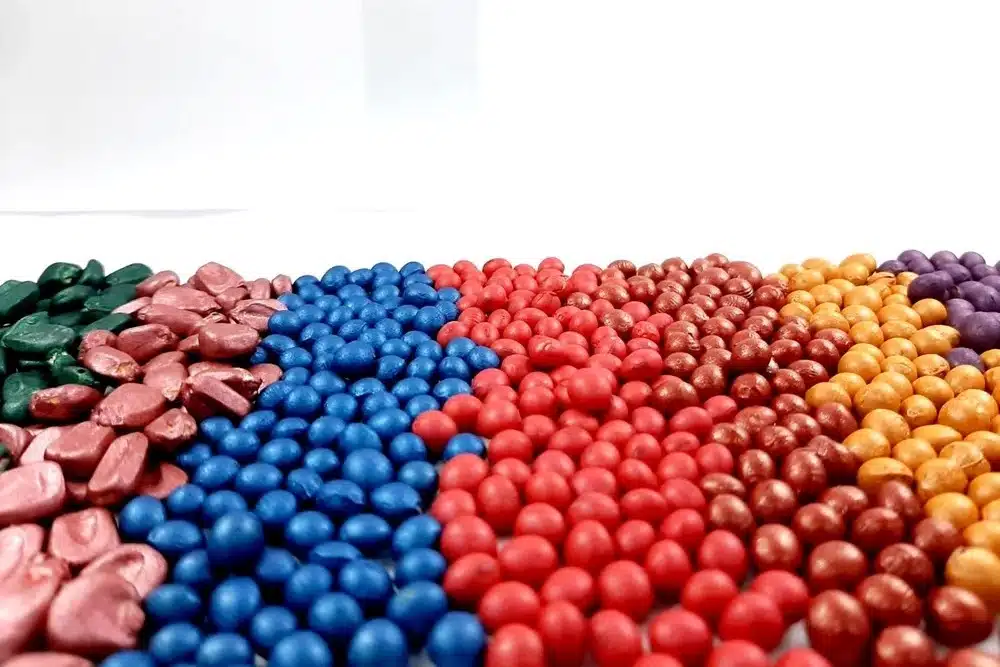
In addition, industrial seed treatment uses technologies such as film coating, which improve the adhesion of the products applied to the seeds.
These coatings not only prevent losses during transport and planting, but also make sowing easier, making the process more efficient and precise.
The use of specific polymers, such as the LabFix line, provides adhesion, abrasion resistance and less dusting of the treated seeds, reducing leaching losses and gradually releasing the active ingredients and additives used.
Another distinguishing feature is the use of drying powders, such as the LabSec line, which provide superior flow and accelerated drying at the end of the process.
This makes bagging easier, reduces losses, and improves plantability, ensuring greater resistance to abrasion and better seed flow after treatment.
The combination of polymers and specific drying agents results in a superior-quality treatment that meets the needs of the most demanding markets.
Why treat soybeans?
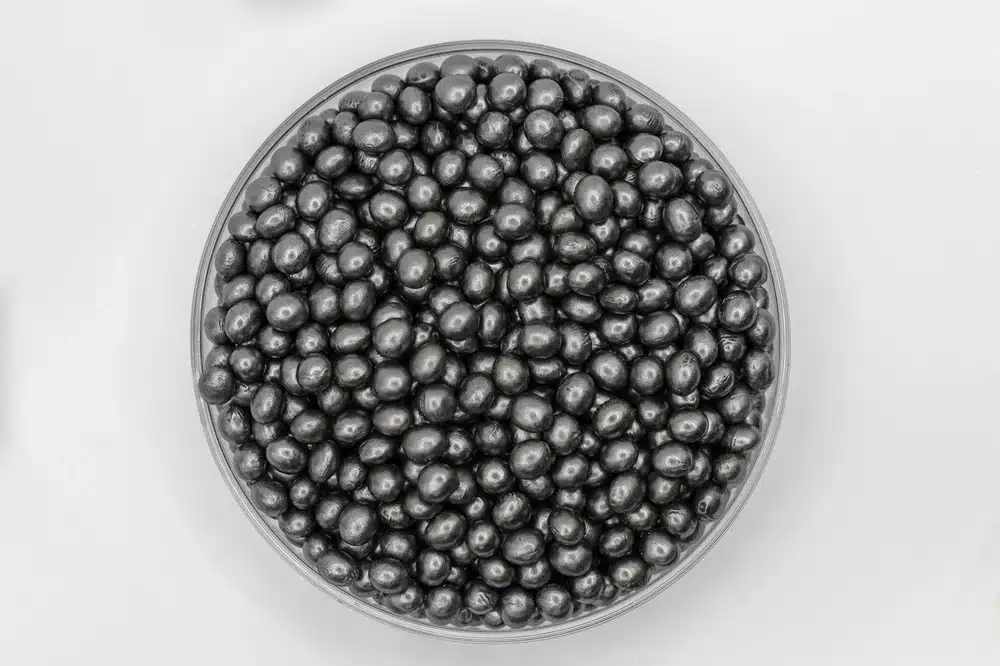
Soybeans are one of the main crops and, consequently, one of the most widely grown crops in Brazil and around the world; they serve as an essential staple for human and animal consumption, as well as a raw material for biofuels.
Given their importance, protecting soybean seeds is a priority for farmers. Soybean seed treatment is especially necessary to prevent a range of problems that could compromise the crop’s initial stand.
By applying this treatment, farmers reduce losses and ensure more uniform crop development. This practice is considered one of the cornerstones for achieving high levels of productivity and profitability in soybean cultivation.
To meet the growing demand, several companies have invested in developing specific solutions for soybean seed treatment, offering products that combine protection, biostimulation and sustainability.
What are the benefits of treating corn seeds?
Corn is a widely grown crop in Brazil and is essential for the production of food, feed and biofuels. Like soybeans, corn faces significant challenges right from the initial planting stage.
Corn seed treatment is an effective way to protect seeds from soil-borne fungi and early-stage pests, such as wireworms.
In addition to protective properties, many products incorporate technologies that provide greater resistance to environmental stresses, such as periods of moderate drought, allowing plants to perform more robustly even under adverse conditions.
With properly treated seeds, farmers can minimize the impact of pests and diseases, ensuring a healthy start for their crops and, consequently, better harvest results.
The treatment of corn seeds also contributes to a more sustainable crop, with less need for chemical interventions throughout the growing cycle.
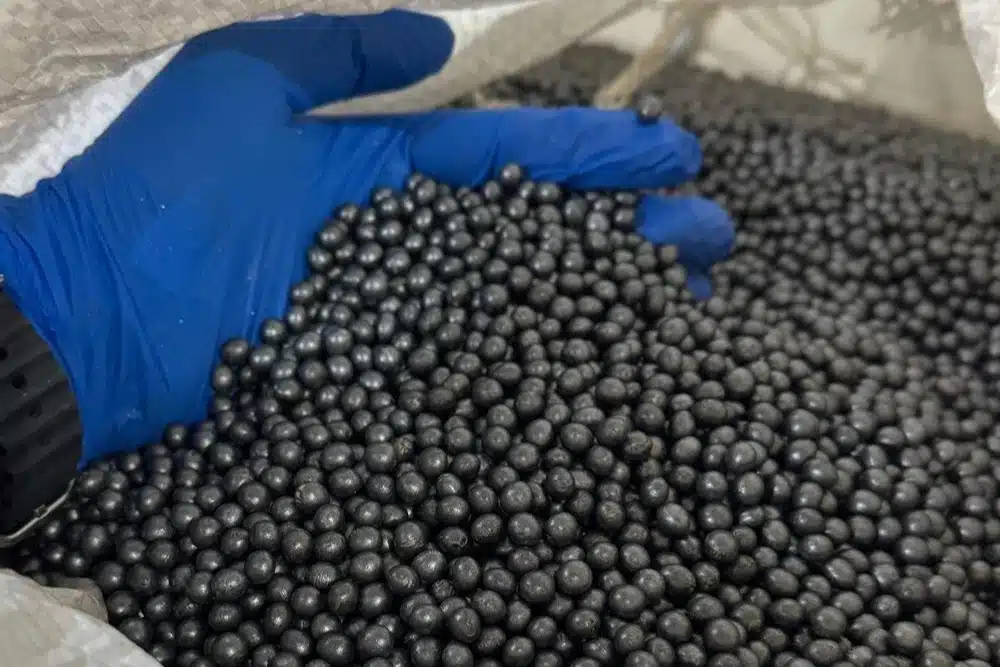
What products are used in seed treatment?
The market offers a wide variety of seed treatment products, each designed to meet specific needs.
These products are essential for protecting seeds against pests, diseases, and abiotic stresses, as well as promoting healthy plant development. The main types of products include:
- Fungicides: essential for preventing diseases caused by fungi, such as tipping and root rot
- Insecticides: protect seeds against underground pests such as cormorants and caterpillars
- Biostimulants: stimulate the initial development of the roots, increasing their capacity to absorb water and nutrients.
- Polymers: improve the adherence of products to seeds, ensuring greater durability and efficiency
- Drying powders: provide fluidity and accelerated drying at the end of the process. This makes bagging easier, reduces losses and improves plantability.
When choosing treatment products, it is essential to consider factors such as:
- Type of crop: each crop has its own protection needs
- History of pests and diseases: knowing the challenges of the area allows for a more assertive choice
- Weather conditions: Certain products may offer greater protection in drier or more humid environments
Combining science, technology and good agricultural practices, seed treatment is constantly evolving, becoming an indispensable ally for productivity and sustainability in the field.
FAQ – Frequently Asked Questions About Seed Treatment
What is the main purpose of seed treatment?
Seed treatment aims to protect seeds from fungi, insects, and other agents that can impair germination and the early development of plants. This practice also helps preserve the sanitary quality of the seeds and promotes proper crop establishment after sowing.
What is the difference between industrial treatment and on-farm treatment?
Industrial treatment is carried out at specialized facilities using equipment calibrated to control dosages, mixtures, and application uniformity. On-farm treatment, on the other hand, takes place on the farm itself. Although both methods can protect the seeds, the final quality depends on the precision of the equipment and the correct execution of the process.
What products can be used for seed treatment?
The treatment may combine fungicides, insecticides, inoculants, micronutrients, polymers, and other products recommended for each crop. The composition of the spray mixture must comply with technical recommendations, registered dosages, and compatibility among the components, to avoid harming seed germination, vigor, and quality.
Does seed treatment replace the applications made during the growing season?
No. The treatment is primarily designed to protect seeds and plants during the early stages of development. If pest or disease pressure persists throughout the growing cycle, other management measures may be necessary, depending on crop monitoring and the environmental conditions in the field.
What are the risks of not treating seeds?
Without proper treatment, seeds may be more susceptible to fungi, soil pests, and other factors that compromise germination and emergence. This can result in poor plant stand, uneven early development, and greater difficulty in establishing the planned plant population for the area.
Is pelletization part of industrial seed treatment?
Yes. Pelleting can be part of industrial seed treatment, especially for small or irregularly shaped seeds. The process involves applying fillers and binders to modify the size and shape of the seeds; it can also incorporate fungicides, insecticides, nutrients, and other components during the coating process, resulting in pelletized seeds.