Industrial seed treatment is a technique that is gaining more and more ground in modern agriculture. It guarantees effective protection against pests and diseases, as well as improving seed performance in the field. For those who are just beginning to understand the subject, it is essential to know about TSI, its advantages and how it differs from conventional treatment.
What is IST treatment?
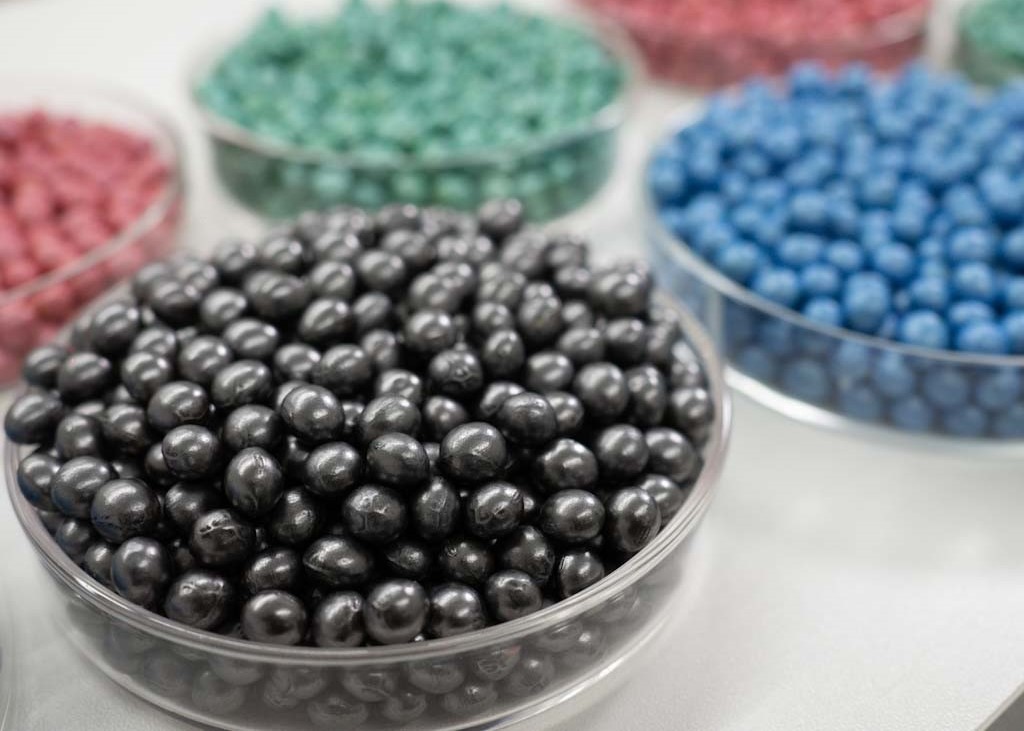
Industrial seed treatment, also known as IST, is a process in which seeds receive phytosanitary products, such as fungicides and insecticides, in a standardized and controlled way within specialized industries. Unlike on-farm treatment (carried out by the grower himself on the farm), TSI uses high-tech equipment to ensure uniform and precise coverage of the products applied.
The main aim of this treatment is to protect the seeds against pests and diseases that could compromise their germination and initial development, providing safer and more efficient planting.
+ READ MORE: Corn seed: the essential choice for a successful harvest
What are the benefits of industrial seed treatment?
Industrial seed treatment offers a number of advantages for farmers, such as
- Protection against pests and diseases: reduces the need for pesticide applications after sowing
- Precise product dosing: avoids waste and guarantees the effectiveness of the pesticides applied
- Greater uniformity in application: the technology built into the industrial treatment machines ensures that all the seeds receive the treatment evenly
- Reduced risks for farmers: at TSI, chemical products are handled in controlled environments, reducing workers' exposure to potentially toxic substances.
- Better preservation of seed quality: industries follow strict standards to avoid physical and mechanical damage to seeds during treatment.
How is industrial seed treatment done?
The industrial seed treatment process involves several stages to ensure maximum efficiency and safety. The main phases include:
- Application of plant protection products: fungicides, insecticides and other products are applied in a controlled manner, ensuring uniform coverage.
- Packaging and storage: after treatment, the seeds are packaged and stored in ideal conditions until they are marketed.
+ READ MORE: Soybean seedeverything you need to know for productive planting
TSI vs. On Farm: what are the differences?
Industrial seed treatment (IST) and On Farm treatment are different methods of protecting seeds before planting, and have significant differences in terms of efficiency, safety and final quality.

TSI is carried out by specialized companies, using high-tech equipment that guarantees a precise, uniform and controlled application of pesticides. The entire process takes place in an industrial environment, with strict quality standards, which drastically reduces the chances of dosage errors and minimizes physical damage to the seeds. In addition, workers' exposure to the chemicals is reduced, making the procedure safer.
On-farm treatment, which is carried out directly on the farm by the producer himself or his technical team, generally uses simpler and less precise machines. This can result in irregular application of the products, with gaps in coverage or excess pesticide, which compromises both the effectiveness of the treatment and the quality of the seeds. Another critical point of On Farm treatment is the increased risk of environmental contamination and the health of the applicators, due to the direct handling of the chemicals.
In short, while TSI offers greater control, safety and quality, On Farm treatment can present more risks and less standardization, negatively impacting crop establishment.
+ READ MORE: Protecting seeds: technologies and practices for good initial crop establishment
Which crops use industrial seed treatment the most?
Industrial seed treatment (IST) is widely used on various agricultural crops in Brazil and plays a crucial role in seed protection. The main crops that use IST and their economic importance for the country are highlighted below:
Soy
Brazil's main agricultural commodity, soybeans are fundamental to the country's trade balance. In 2023, exports of soy and its derivatives exceeded US$ 40 billion, highlighting its economic importance. In addition, Brazil is the world's largest soybean producer, with production reaching 120 million tons in 2019.
Corn
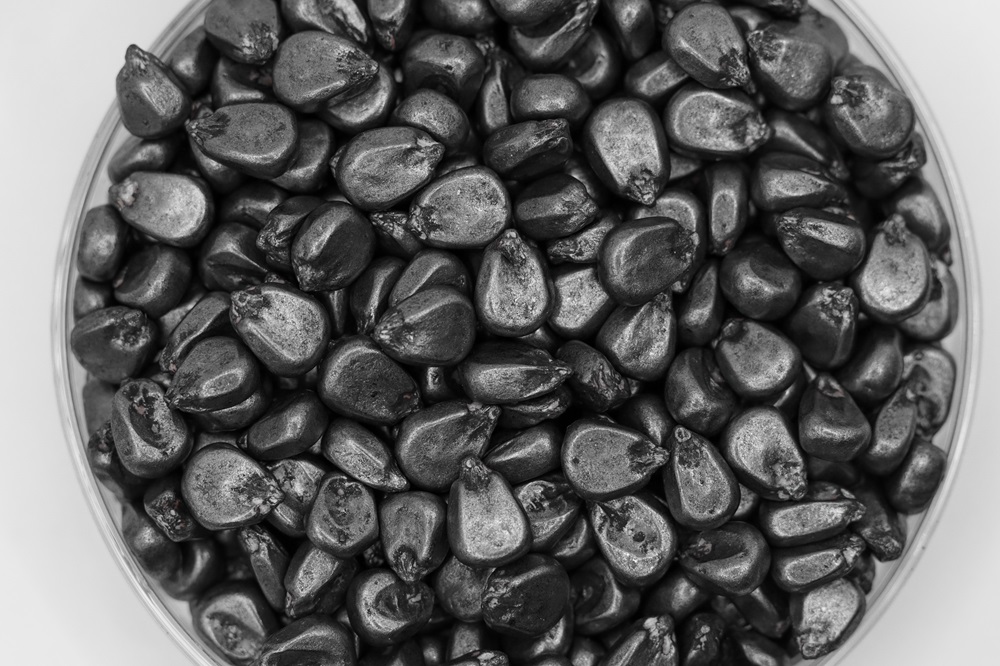
Essential for both domestic consumption and export, corn is used in human and animal food, as well as being a raw material for biofuels. In 2023, national corn production was estimated at 131.7 million tons, representing growth of 19.6% over the previous year.
Cotton
Important for the textile industry, Brazilian cotton has made a name for itself on the international market. In 2023, herbaceous cotton production reached 7.6 million tons, an increase of 12.3% compared to 2022.
Wheat
Although Brazil still imports part of the wheat it consumes, national production has been growing. In 2023, production was estimated at 10.5 million tons, an increase of 4.8% on the previous year.
Rice
A staple of the Brazilian diet, rice is grown in various regions of the country. In 2024, production is estimated at 10.5 million tons, with an increase of 2.0% compared to 2023.
+ READ MORE: Seed treatmentthe technology transforming agriculture