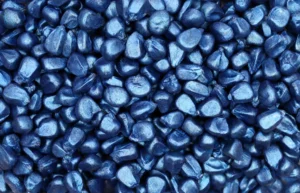
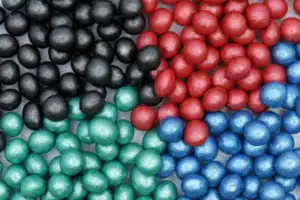
The industrial treatment of soybeans is a practice widely used in modern agriculture and is essential for preparing the seeds before planting in a safe and standardized way. This process applies products such as fungicides, insecticides, polymers, drying powders and even biostimulants directly to the seeds before planting. The aim is to protect them against pests and diseases, as well as to improve plantability, i.e. to make planting easier and ensure the initial development of the plants.
According to Kynetec's FarmTrak Soy 2023-24 survey, approximately 99% of the area planted with soybeans in Brazil already uses treated seeds, and half of these areas adopt the industrial model (TSI). This data reinforces the importance of the subject for those starting out in agribusiness. If you have any doubts about how soya is treated, how to treat soya, what treated soya is and what soya management is, this article is for you.
How is soya treated?
The industrial treatment of soybeans is carried out in specialized places, with strict quality control. The companies responsible use high-tech equipment to apply inputs directly to the seeds. The process is standardized to ensure that all the seeds receive the right amount of product.
+ READ MORE: Industrial seed treatmenthow it works and what its benefits are
The most common steps include:
- Application of pesticides: fungicides and insecticides are applied with precision to protect the seeds against diseases and pests.
- Use of polymers and drying powders: these products help to fix the pesticides and facilitate the flow of seeds into the bagging and seeding machines.
- Storage: after the industrial treatment of soybeans, the seeds are stored in ideal conditions until they are sent to the grower.
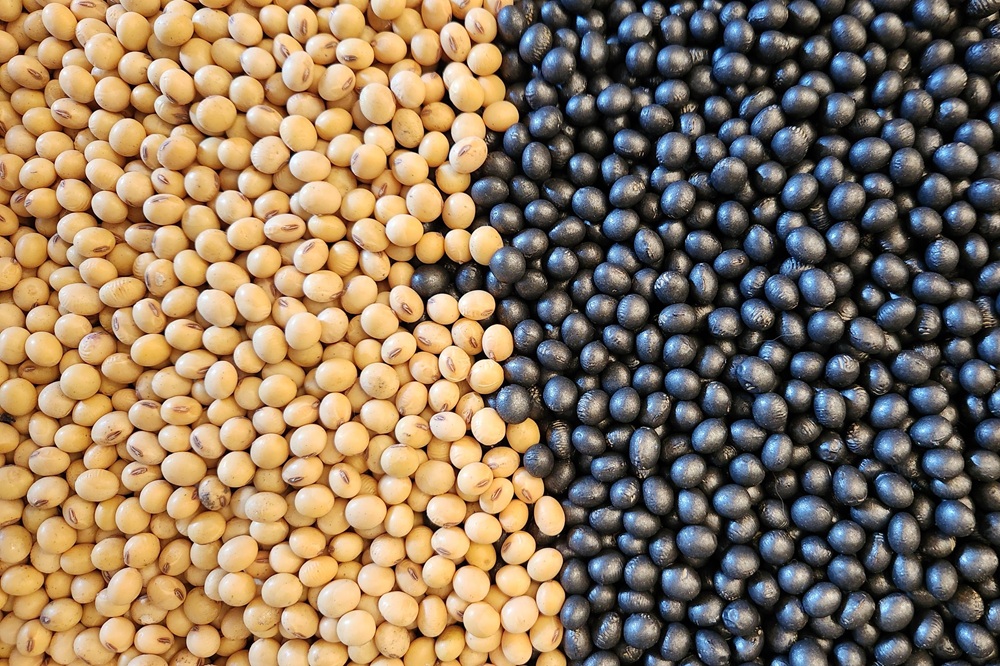
This standardization improves the use of inputs and reduces the risk of environmental contamination, as well as eliminating the need for farmers to handle pesticides directly.
How to treat soy?
Soybeans can be treated using industrial soybean seed treatment (IST), a highly technological process that has established itself as the safest and most efficient way of preparing seeds for planting. IST is carried out in specialized companies, with industrial facilities equipped with automated systems and strict quality control. These companies have trained professionals and follow technical standards that guarantee the integrity of the seeds and the effectiveness of the inputs applied.
+READ MORE: Effect of polymer coating and drying powder on the physiological quality of soybean seeds
This type of industrial soybean treatment offers a series of advantages that make all the difference in the day-to-day life of rural producers:
- Precision and uniformity in the application of inputs: with calibrated machines, each seed receives the exact amount of fungicides, insecticides, polymers or other products, which avoids failures or excesses that could compromise the performance of the seeds.
- Reduced risk of pesticide poisoning: as the entire process takes place in a controlled environment, the farmer and his team do not have to handle chemicals directly, which increases safety in the field.
- Saving time in the farmer's routine: by receiving the seeds already treated, the farmer eliminates steps in the process of preparing for planting and can concentrate on other areas of agricultural management.
- Greater safety in seed storage: industrially treated seeds are carefully packaged and stored in suitable locations with ideal conditions until they are sent to the grower.
- Better plantability: well-treated seeds have better fluidity in the seed drills, which ensures more even distribution in the soil. This prevents plant stand failures and maximizes the use of water, light and nutrients.
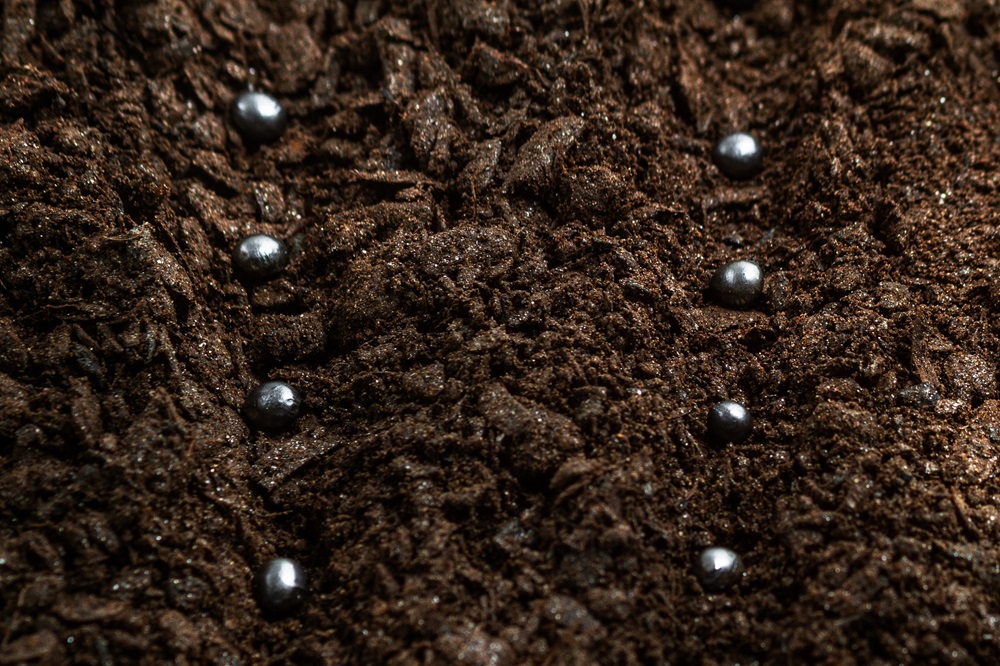
This process becomes even more relevant in large-scale areas, where agility and standardization are key to maintaining operational efficiency. In large-scale crops, any dosage error or application failure can compromise a significant area of production.
+ READ MORE: Soybean seedeverything you need to know for productive planting
That's why industrial soybean treatment is not only a safer choice, but also a smart strategy for increasing productivity and reducing crop losses.
What is treated soy?
Treated soya is seed that has already received all the protective inputs before planting. This means that the producer receives the material ready to be sown, without having to apply pesticides themselves.
The protective layer applied to the treated soybeans helps to avoid common problems such as:
- Fungus and insect attacks in the soil
- Reduction in emergency pesticide applications shortly after sowing.
In addition, treated soy contributes to:
- Greater uniformity in crop establishment
- Reduced losses in the early stages of cultivation
- Practicality and agility in planting, with less need for extra operations
- Better use of natural resources such as water, light and nutrients.

What is soybean management?
Soybean management is a set of techniques and practices aimed at ensuring the success of the crop from the beginning to the end of the growing season. It begins long before planting and continues until harvest. Industrial soybean treatment is one of these fundamental practices and is responsible for first protecting the seeds even before they come into contact with the soil.
By including the industrial treatment of soybeans in the agricultural planning, the producer ensures that the seeds are already protected against pests and diseases at the time of planting, which contributes to a safer and more organized start to the crop.
+ READ MORE: Seed treatmentHow does the treatment work and why?
Good soybean management involves a series of integrated practices that also include planning the planting, choosing the right variety, sowing time and density, and preparing the soil with the necessary corrections and fertilizations.
All these factors add up to the use of industrial soybean treatment as part of an efficient and safe management strategy, with environmental and economic responsibility.
+ READ MORE: Check out our research on soybean seeds