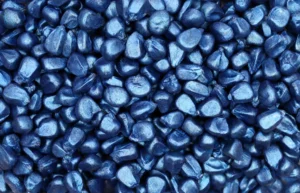
Wheat seed treatment is a fundamental practice to ensure the proper establishment of the crop in the field. This technique protects the seeds against pests and diseases.
For those who are starting to use wheat seed treatment, understanding the treatment process, the products used, and the technologies available can make all the difference in crop yields.
How to treat wheat?
Industrial wheat seed treatment is carried out by specialized companies, offering a highly standardized process, with machines that ensure uniform application of products and greater operational safety. The treatment is carried out to protect the seeds until the early stages of development, when they are most vulnerable to attack by pests and diseases. Therefore, it is recommended to include fungicides, insecticides, polymers, and drying powder in the treatment applied.
+ READ MORE: Industrial seed treatmenthow it works and what its benefits are
Technologies such as Film Coating bring significant gains in protection and seed coating quality. These solutions form a protective film that keeps the treatment adhered to the seed and prevents losses due to abrasion during transport and planting.
What is the volume of TS syrup for wheat?
The ideal volume of syrup in wheat seed treatment should be sufficient to ensure complete coverage of the seeds, without soaking them or compromising their fluidity.
Very high volumes can leave the seeds too moist, hindering drying, quality, and storage. On the other hand, very low volumes can result in uneven distribution of the treatment applied to the seeds (less coverage), which can affect the treatment's effectiveness.
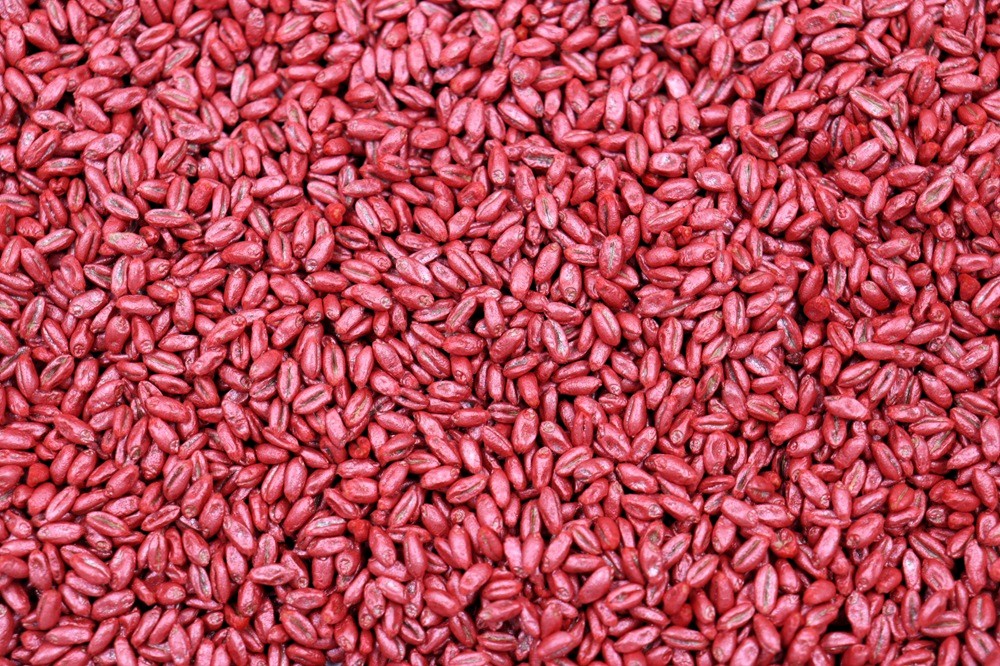
It is important to always follow the manufacturer's recommended dosage for each product used and to observe the appearance of the seeds after application: they should be evenly covered, without excess or visible gaps.
Another important point is the calibration of the equipment used. The machine needs to be adjusted for the correct flow rate of the treatment mixture and the even application of the products to the seeds, ensuring that they all receive the same protection.
What is the price trend for wheat for the next harvest?
The price trend for wheat in Brazil depends on several factors, such as domestic supply, imports, exchange rates, weather, and production costs. A significant portion of domestic consumption is still supplied by imported wheat, which makes the market sensitive to external fluctuations.
In September 2025, the wholesale price of wheat in Brazil ranged from US$0.22 to US$0.26 per kilogram. Converted to local currency, the average price in Paraná in January 2024 was approximately R$1,409.27 per ton, representing a 5.3% increase in real terms compared to the same month of the previous year.
+ READ MORE: Pelletized seed: technology revolutionizing sustainable agriculture
For the 2025/26 harvest, national wheat production is estimated at around 6.9 million tons, according to updated industry projections. This volume reinforces the importance of investing in agricultural practices that increase production efficiency, such as wheat seed treatment.
By ensuring a more vigorous and uniform initial stand, producers can improve the crop's productive potential and better respond to market variations throughout the cycle.
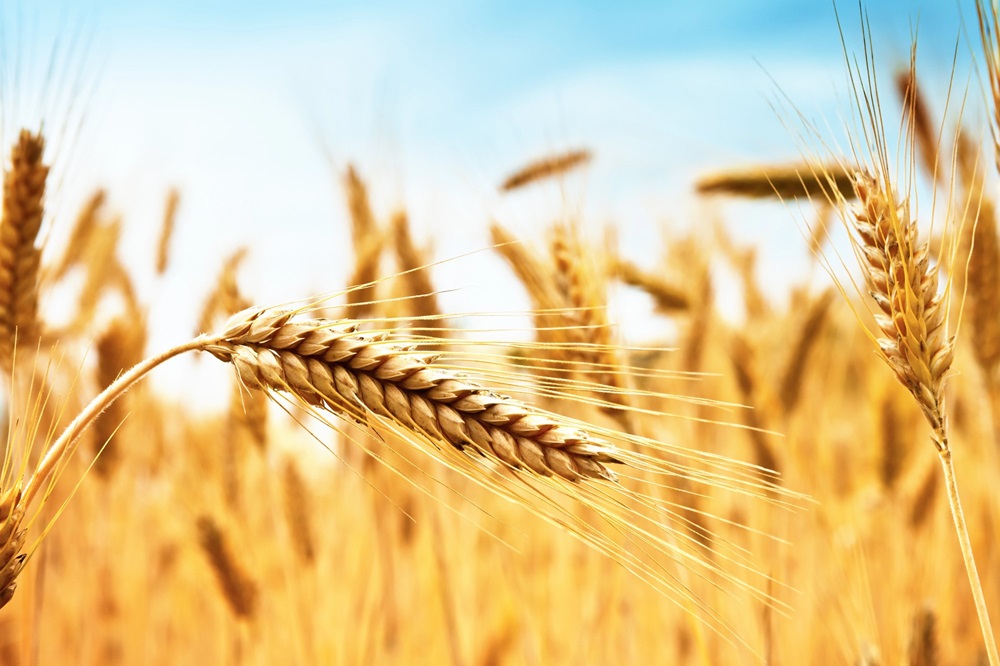
Area cultivated by state (prospect for wheat sowing area)
The area devoted to wheat cultivation in Brazil is around 3 million hectares, according torecent data. For example, in the 2022/23 harvest, the area was estimated at around 3.086 million hectares, with production of approximately 10.554 million tons and a yield of 3.42 t/ha.
The states that stand out the most are those in southern Brazil. The southern region accounts for most of the country's production, with Rio Grande do Sul and Paraná standing out. For example, between 2009 and 2019, 87.3% of Brazilian wheat production was concentrated in the southern region.
+ READ MORE: Protecting seeds: technologies and practices for good initial crop establishment
For those just starting out, it is important to consider the state or region where you are planting, as each location has a different climate, soil, and history, which directly influences the management approach to be adopted, including the ideal wheat seed treatment.
When should I apply fungicide to wheat?
Fungus control for wheat can be:
Seed Treatment (beginning)
When treating wheat seeds, it is essential to use fungicides that act on certain diseases, those that affect germination or initial seedling growth. For example, fungi that cause seed rot or lodging. Ensuring that the seed is well protected from the outset helps to establish a more uniform crop.

Foliar applications
Foliar applications of fungicides on wheat are carried out throughout the crop cycle to control and prevent leaf diseases that compromise photosynthesis, vigor, and yield. In general, the efficiency of these products depends directly on the timing of application in relation to the plant's phenological stage, environmental conditions, and the presence of diseases in the crop.
+ READ MORE: Seed treatmentthe technology transforming agriculture
Constant monitoring of crops is essential to identify the need for intervention, as fungicides are most effective when applied before the severity of the disease exceeds economically tolerable levels and at critical stages of crop development.