TSI or Industrial Seed Treatment is a technique adopted in agribusiness to apply a protective film to seeds, using pesticides, biostimulants and polymers. This process is carried out in controlled industrial environments, ensuring precision, safety and standardization, offering protection to seeds against pests, fungi and physical losses from the treatment before planting.
Industrial seed treatment has become a strategic practice in the sector. It helps seeds reach the field better protected, preserving the care taken in the stages prior to sowing. Below, we explain in detail what TSI treatment is in agriculture, what the purpose of TSI treatment is, what TSI treatment is for and what a TSI operator does, including Film Coating and Superior Protection technologies.
What is IST in agriculture?
TSI in agriculture is a technology that has modernized seed preparation before planting. The acronym refers to Industrial Seed Treatment, characterized by the precise application of products such as fungicides, insecticides and other inputs directly onto the seeds, using advanced equipment in a controlled industrial environment.
+ READ MORE: Corn seed: the essential choice for a successful harvest
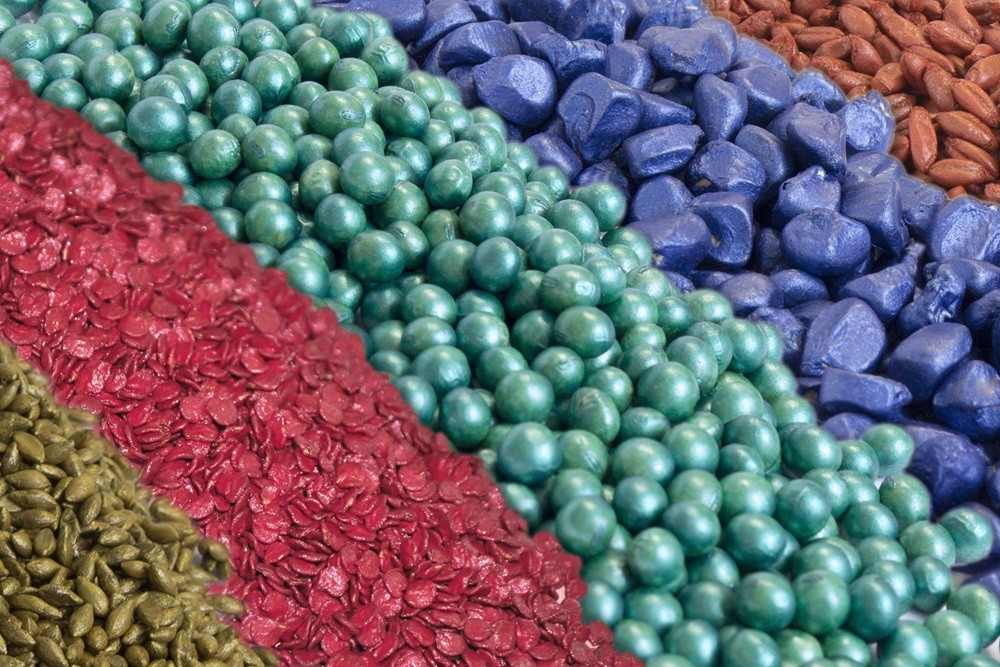
The main differential of TSI treatment is the standardization of the process, ensuring that each seed receives a uniform layer of the products. This layer, made up of chemical and biological products, is applied with technical rigor, ensuring the assertiveness of the dosage.
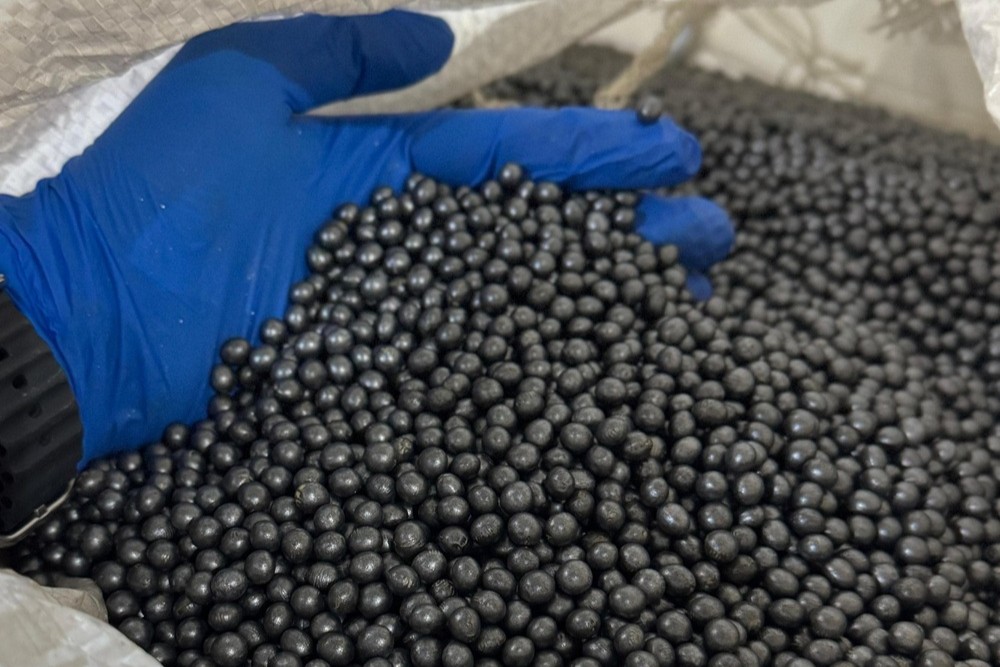
When combined with specific technologies, such as the Superior Protection line made up of polymer and drying powder, TSI treatment also contributes to plantability by providing greater resistance of the film to abrasions and, in these cases, improved seed fluidity. This greater fluidity helps to reduce failures and double distribution and favors more efficient operations. In addition, the industrial environment minimizes the exposure of operators to the products applied, making the process safer for both workers and the environment.
What is the purpose of TSI?
The main purpose of TSI treatment is to protect the seeds in the early stages of their development, and the use of polymer acts to preserve the inputs applied to their surface. This care is essential to avoid losses caused by leaching and abrasion, maintaining the quality of the coating until sowing time.
TSI's main benefits include:
- Protection against pests and diseases: by forming a protective layer over the seeds with the use of fungicides and insecticides.
- Efficient application of inputs: products are dosed precisely, avoiding waste and ensuring adequate coverage.
- Uniform coverage: the industrial process ensures homogeneous distribution of the active ingredients and a standardized visual appearance on the treated seeds.
- The application of the polymer in the seed treatment contributes to better adhesion of the products, as well as promoting the gradual release of the active ingredients and additives after planting.
+ READ MORE: Soybean seedeverything you need to know for productive planting
For producers looking for more security and control in the early stages of planting, TSI treatment represents an efficient technical alternative that contributes to greater stability in planting operations.
What is TSI for?
The main function of TSI treatment is to protect seeds against pests and diseases at the beginning of crop establishment.
One of the technologies that make up this process is Film Coating, which consists of applying a thin, uniform layer of polymer to the seeds during treatment. This film acts as a physical barrier that helps to fix the applied products, reduces dust emissions and improves the stability of the treatment during handling, transportation and storage.
+ READ MORE: Protecting seeds: technologies and practices for good initial crop establishment
In addition, TSI allows producers to receive seeds ready for planting, eliminating application steps in the field and reducing workers' exposure to chemical products.
To extend this protection, the Superior Protection range offers additional solutions:
- LabFix G5 Platinum: high-performance polymer with fluidity additives that reinforces the adherence of the applied products and protects the treatment film from loss due to abrasion and leaching.
- LabSec Superfluid Graf: the range is made up of high-performance drying powders that already contain graphite in their formulation. The drying powder therefore has the characteristic of drying the seeds after the treatment has been applied, while also adding the advantages of graphite: greater fluidity and improved plantability (reduction of double seeds and failures).
It is important to note that Industrial Seed Treatment (IST) is carried out using suitable machinery, high quality seeds and products developed specifically for this purpose, such as Film Coating and Superior Protection technologies.
What does a TSI operator do?
The TSI treatment operator is the professional responsible for ensuring that the entire process is carried out correctly. They work from the preparation of the inputs to the final control of the application of the treatment to the seeds, always following technical standards and safety requirements.
+ READ MORE: Seed treatmentHow does the treatment work and why?
Main responsibilities include:
- Preparing the inputs and calibrating the application equipment to guarantee the dosages of fungicides, insecticides, biostimulants and polymers.
- Visually monitor the quality of the treatment, based on the uniformity and drying of the treated seeds.
- Recording operational data and checking compliance with safety rules and regulations.
This professional is a key player in companies and cooperatives that carry out Industrial Seed Treatment, ensuring that the treatment maintains greater quality and consistency between batches.