TSI seeds - Industrial Seed Treatment - has become increasingly essential in Brazilian agribusiness. This technology was created to guarantee greater protection for seeds against pests, fungi, diseases and other challenges that arise shortly after planting. It is carried out in a standardized way, in controlled industrial environments, which results in a much more efficient and safer application when compared to On Farm treatment.
As well as protecting the seeds, TSI seed improves crop performance by ensuring that all the seeds receive the ideal amount of pesticides and nutrients. This reduces product waste, increases seed protection and contributes to more uniform crops.
The treatment is widely used on crops such as corn, soybeans, wheat, rice and cotton, due to their commercial value and importance in the food chain and other industrial sectors.
+ READ MORE: Protecting seeds: technologies and practices for good initial crop establishment
What is IST in agriculture?
TSI seeds in agriculture represent an important innovation in the process of preparing seeds for planting. The acronym TSI stands for Industrial Seed Treatment, and its main characteristic is the application of fungicides, insecticides and other additives with precision, using specialized equipment and advanced technologies.
In the agricultural sector, this treatment stands out for its high level of standardization, something that is difficult to achieve with treatment. During TSI, each seed is enveloped in a uniform layer of protection, made up of chemical and biological products that guarantee its development in the early stages and establishment of the crop.

In addition, TSI seeds, as long as specific products are used, contribute to plantability, as it improves the fluidity of the seeds in the seeding machines, reducing gaps and doubles during sowing. This regularity makes for more uniform crops with greater production potential. Another positive point is that the industrial process is safer, both for the environment and for workers, who are not directly exposed to the chemicals.
What is the purpose of TSI?
The purpose of TSI seeds is to protect and prepare the seeds so that they can develop their full productive potential. This means ensuring that the seeds are protected against threats from the soil in the early stages, guaranteeing better conditions for the development of the crop.
TSI seeds offer several benefits:
- Pest and disease control: the treatment prevents fungi and insects from damaging the seeds in the first few days after sowing.
- Efficient use of pesticides: when applying the products, TSI seeds avoids waste by applying the exact dose recommended for the crop.
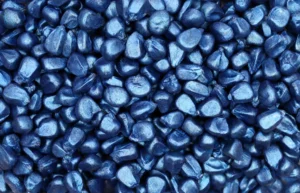
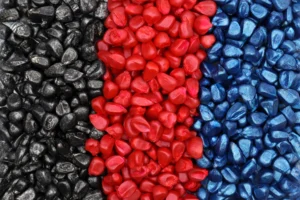
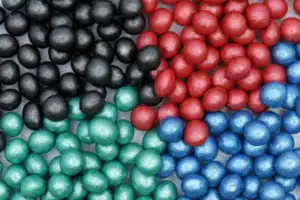
- High uniformity: Homogeneous distribution and fixation of the active ingredients, high coverage and distinctive appearance of the seeds.
For farmers who want to reduce planting costs and risks, TSI seeds are a practical and effective solution.
+ READ MORE: All about wheat seedplanting, treatment and sustainable options
What is TSI in corn?
TSI seeds in corn is one of the most recommended practices to guarantee productivity and quality from the start of the harvest. As a demanding crop with a high commercial value, corn requires specific care right from the seed. Industrial treatment contributes directly to the initial establishment of the crop, providing greater protection against pests, fungi and viruses present in the soil.

During the TSI process on corn, fungicides are applied to combat diseases, as well as insecticides to protect against early pests. It is also common to use polymers such as LabFix®, which help to fix the treatment to the seed, and drying powders such as LabSec®, which improve the drying of the chemical mixture applied to the seeds and also give fluidity and reduce product losses.
+ READ MORE: Corn seed: the essential choice for a successful harvest
What is TSI in soy?
TSI seed treatment for soybeans follows the same principles as industrial treatment, but with a focus on the specific needs of this crop. Soy is one of Brazil's most important commodities and requires a high level of care to achieve the expected results.
During TSI in soybeans, the seeds are treated with fungicides that protect against common diseases in the initial phase. Insecticides are also applied to ward off pests that can damage the plants' development.
In addition to protection, the TSI seeds applied to soybeans include nutrients and biostimulants that favor the growth of the root system. This allows the plant to establish itself more quickly and with greater vigor, even in adverse conditions.

Another advantage of TSI seeds in soybeans is practicality: the producer receives the seeds ready for planting, with standardized treatment, saving time and reducing human error. This makes the process safer and more effective, with visible results in the crop from the first days after sowing.
+ READ MORE: Soybean seedeverything you need to know for productive planting