Soy TSI is a technology that is increasingly present in modern agriculture. The acronym stands for Industrial Seed Treatment and refers to a process carried out in a controlled environment, where the seeds receive protective products before they even reach the farm. For those who are starting out in the world of agriculture or want to understand what this type of treatment is, this article will explain the main points clearly.
Unlike on-farm treatment, TSI soy is carried out by specialized companies using modern equipment and standardized techniques. In addition to protecting against pests and diseases, TSI soy uses products such as polymers and drying powders, which add greater fluidity to the treatment and improve plantability, i.e. the ability to plant more efficiently, with a more uniform distribution of seeds in the soil. This prevents gaps and overlaps, facilitating uniform plant development and the use of resources such as light, water and nutrients.
In the following topics, we'll answer common questions about soy TSI and show how it fits into the context of agribusiness.
What is TSI in soy?
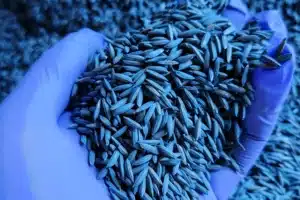
Soy TSI is the treatment carried out on seeds before planting, with the main aim of protecting them during the first few days in the soil.
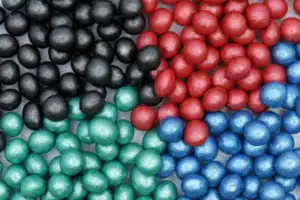
In the case of soybeans, industrial treatment applies pesticides in exact dosages, covering the entire surface of the seed evenly. This is important because it ensures that each seed has the same level of protection.

Another positive point of TSI soy is its practicality. The farmer receives the seed ready for use, without having to make mixtures or applications in the field. This reduces the risk of human error and increases the safety of the process. It also contributes to more efficient planting, since the treatment improves the fluidity of the seeds in the seeders, helping to maintain correct distribution. This reduces the occurrence of double seeds or empty spaces, which has a direct impact on the uniformity of the crop.
+ READ MORE: Seed treatmentthe technology transforming agriculture
What is IST in agriculture?
TSI soy in agro is a technology applied to different agricultural crops, such as soybeans, corn, wheat, cotton and rice.
It stands out for its precision and standardization. The process is carried out using high-tech machines that control the exact amount of product applied to each seed. This avoids wasting inputs and ensures greater uniformity. Another important aspect is safety: the treatment takes place in controlled environments, reducing the exposure of workers to chemical products.
The use of TSI soy in agriculture is also linked to the search for greater efficiency in the use of resources. With the seeds already treated, there is less need for extra applications in the field, which reduces the use of pesticides and the environmental impact. In addition, industrial treatment contributes to more precise planting, as the seeds receive products such as polymers and drying powders, which improve their fluidity and reduce distribution failures.
+ READ MORE: Soybean seedeverything you need to know for productive planting

What is IST treatment?
Soybean TSI treatment is an industrial process that seeds undergo before sowing. The term "industrial" refers to the fact that the treatment is carried out in a specialized facility, using modern equipment and standardized protocols.
One of the great advantages of TSI soy is the reduction in errors. As everything is done under strict control, there is less chance of excess or lack of product.
For those looking for a well-established crop right from the start, TSI soy is a strategic tool, especially in crops like soy, where the quality of the seeds has a direct impact on the end result.
+ READ MORE: Protecting seeds: technologies and practices for good initial crop establishment
What is the purpose of TSI?
The main purpose of TSI soya is to protect the seeds during planting and the initial development phase.
By applying plant protection products with precision, TSI Soy forms a protective film around the seed. This helps the seed to germinate safely and develop in the first few days. In addition, the treatment avoids the need to reapply pesticides shortly after planting, reducing costs and operations in the field.

Another important benefit is improved plantability, as seeds treated evenly and with appropriate products flow better in the seeder, ensuring more precise planting. This avoids waste, reduces failures and improves soil utilization.
In short, the purpose of the TSI soybean is to give greater security to the planting process and help farmers get off to a good start with protected, homogeneous seeds that are ready to face the initial challenges in the soil.
+ READ MORE: PlantabilityWhat is plantability and why is it crucial to agricultural success?