Seed treatment is one of the lowest-cost technologies in crop production, especially when compared to other stages of the production system. Embrapa notes that treatment with fungicides and insecticides helps control diseases and pests in the early stages of the crop and is among the practices that have the least impact on production costs.
Applied before the plant emerges, the treatment acts during a critical stage of the crop’s growth. This practice helps protect seeds and seedlings against early-stage pathogens and pests, promoting crop establishment and the formation of adequate plant populations, especially when planting conditions are adverse.
Low cost within the production system
According to an Embrapa analysis of soybean cultivation—which examined the use of fungicides and insecticides between the 2008/09 and 2018/19 crop years in Mato Grosso do Sul—seed treatment accounted for an average of 2.2% of the production cost per hectare.
Despite its relatively low cost, the institution points out that the technology offers an excellent cost-benefit ratio and can be considered “inexpensive insurance” at the beginning of crop establishment. This definition underscores the strategic role of the treatment: although it accounts for only a small portion of production costs, it is effective precisely during one of the most critical phases of the growing season.
The same survey shows that the use of fungicides to treat soybean seeds increased from 5% of the planted area in 1991/92 to 98.2% in the 2016/17 crop year. In the same survey, 25.6% of the treated seeds had already undergone Industrial Seed Treatment (TSI), while 72.6% were treated on the farm.
Protection During the Early Growth Stage of Crops
The importance of technology is directly linked to the stage of the crop cycle in which it is applied. Before a crop can reach its full productive potential, the seed must overcome risks related to pathogens, early-stage pests, and adverse soil and climate conditions during planting.
When germination and emergence occur more slowly, fungi in the soil and on the seed itself have a greater opportunity to attack, which underscores the importance of fungicide treatment in high-risk situations.
When done properly, seed treatment helps protect that initial growth, promoting more uniform emergence and better plant establishment.
Operational failures can compromise the results
Precisely because it takes place at the beginning of the growing season, seed treatment requires precision. Flaws in the process can compromise the quality of the application, affect the coverage of the active ingredients on the seeds, and reduce the treatment’s operational efficiency.
In TSI, factors such as adhesion, uniformity of coverage, dust control, flowability, and preservation of the active ingredients are critical to maintaining process quality. For this reason, film coating technologies are becoming increasingly important, as they contribute to a better finish, greater standardization, and greater operational efficiency in industrial processing.
Failures at this stage can result in problems in the field, such as emergencies, poor initial establishment, and a higher risk of needing to resow.
The cost of a failure can exceed the initial investment in the technology. According to Embrapa, replanting can increase production costs by 11.34% for soybeans in a conventional system and by 17.93% in a no-till system. For corn, the estimated impacts are 8.25% and 13.36%, respectively; for cotton, 4.07% in conventional systems and 5.13% in no-till systems.

Film Coating as an Efficient Technology at TSI
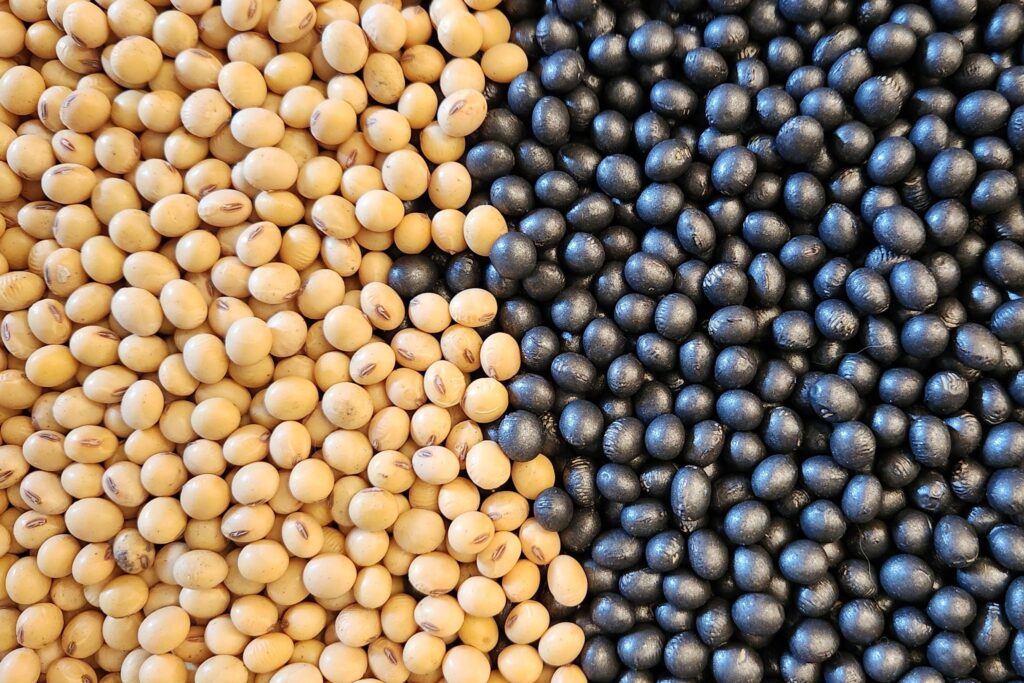
In this context, film coating technologies are becoming increasingly important in TSI. Beyond simply providing a visual finish to the seeds, polymers, drying powders, and coating solutions help improve the adhesion of active ingredients, ensure uniform coverage, reduce dust, enhance operational efficiency, and standardize the process.
For Laborsan Agro, a company specializing in seed treatment technologies with nearly 30 years of experience in the industry, the advancement of TSI reinforces the need to view seed treatment as a precision process.
“Seed treatment is a relatively low-cost technology, but one that carries significant technical responsibility. When there are issues with coverage, adhesion, or flow, some of the intended efficiency may be lost even before the seed reaches the field. Film Coating helps protect the treatment’s operational quality by promoting uniformity, reducing dust, and ensuring better utilization of the active ingredients,” says Letícia Azevedo, Research and Innovation Coordinator at Laborsan Agro.
With solutions focused on efficiency, quality, and sustainability in industrial seed treatment, Laborsan Agro develops film coating technologies, such as polymers, drying powders, and coatings for treated seeds. The goal is to support seed producers, breeders, and agribusinesses in standardizing their operations and improving treatment quality, thereby enhancing one of the most strategic stages of the growing season.