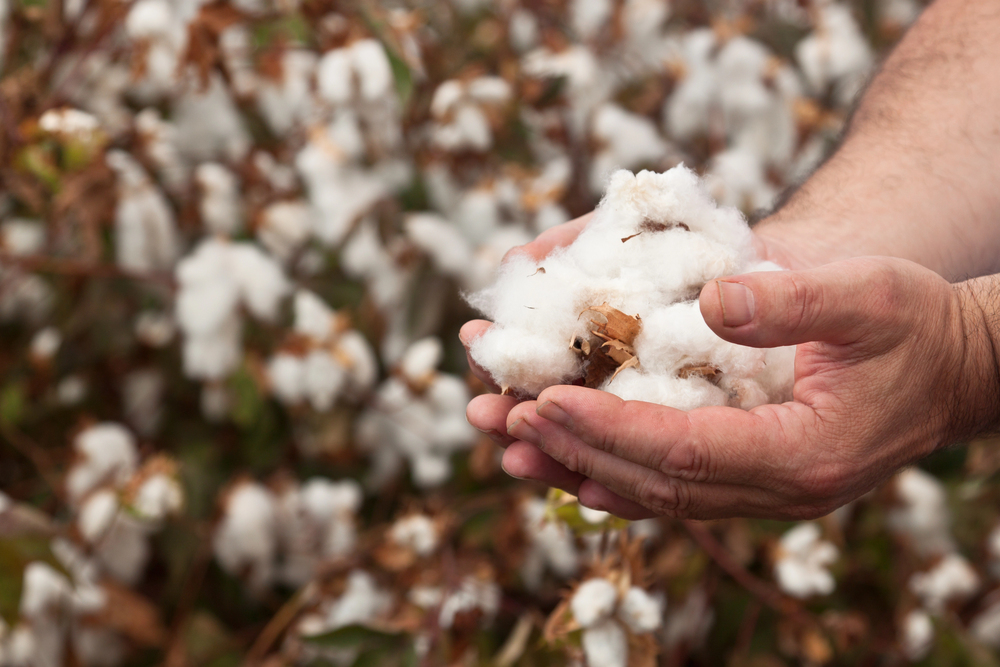
Cotton growing is one of the most representative activities in Brazilian agribusiness. As well as supplying the textile industry, it creates jobs, drives the economy and contributes to strengthening national exports.
In recent years, Brazil has set production records and established itself as the world's largest cotton exporter. In the 2023/24 crop year, Brazil harvested 3.68 million tons of lint cotton, grown on 1.99 million hectares, with average yields close to 1,850 kg per hectare.
+ READ MORE: Cotton seed: how efficient planting and treatment boost production in Brazil
In addition to the numbers in the field, the sector has had a positive impact on the economy. Between January and April 2025, textile production increased by 13.7% and generated approximately 8,000 new jobs, according to data from the Brazilian Association of Cotton Producers (Abrapa).
And for those who are just starting to study cultivation, it's natural to have questions: what is the profit per hectare? When is the best time to plant? And how does cotton grow in Brazil, from planting to harvesting? In this article, we'll answer these questions in a simple way, with reliable information.
What is the profit from 1 hectare of cotton?
Cotton planting is recognized for its high profitability potential, but it's important to understand that there is no fixed amount of profit per hectare in cotton planting. This is because several factors influence the final result:
- Production costs: Production costs vary greatly depending on the production system and crop management, including seeds, pesticides, fertilizers, machinery, labor, among other factors.
- Climatic factors: Adverse weather conditions can have a direct impact on productivity and fiber quality.
- International market: as Brazil exports a large part of its production, global prices directly influence financial returns.
Therefore, instead of looking for a fixed figure, beginning producers should understand that profit is the result of balanced planning between costs, productivity and the market.
Cotton planting season in Brazil
The time for planting cotton in Brazil varies according to the region. Choosing the right period is decisive for the success of the crop, as it affects the germination and initial development of the plant.
The cotton plant needs warmth and moisture in the soil to complete its cycle. It is a very sensitive crop to temperature, which is one of the environmental factors that most interferes with its growth and development.
How to plant cotton?
Planting cotton begins with choosing quality seeds and careful planning. The soil must be well prepared and sowing must take place in favorable temperature and humidity conditions. It is also important to choose the right time, always following the planting calendar.
The uniform distribution of seeds is essential to ensure the ideal spacing between plants. This ensures that the cotton plant has room to grow without competing for nutrients, water and light.
Cotton seed treatment: technology and complete protection
Seed treatment is one of the main strategies for ensuring a productive crop and protecting cotton in the early stages of cultivation. This process mainly involves the application of fungicides and insecticides, which help to control pests and diseases, as well as the adoption of technologies such as Film Coating.
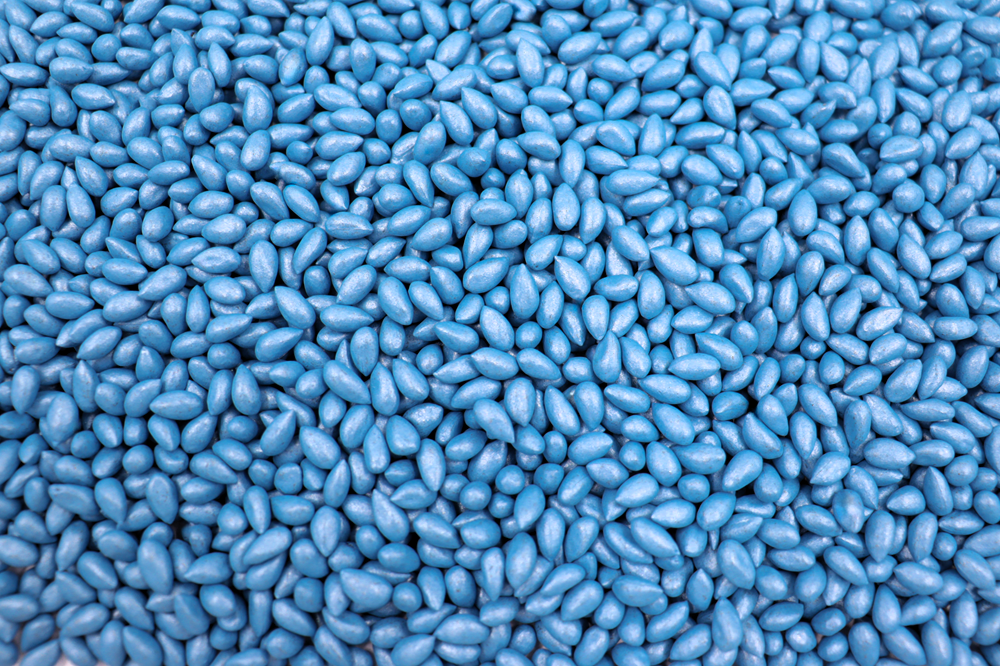
This technology is reinforced by the integrated use of two products: LabFix® polymers (with the application of a protective polymer layer that increases the adherence and coverage of the products used on the seeds) and LabSec® drying powders (their application acts directly on the drying of the treatment on the seeds, as well as improving fluidity and plantability).
- The polymers ensure greater adherence of the pesticides to the seeds and resistance to abrasion.
- Drying powders facilitate drying, increase seed fluidity and improve plantability.
+ READ MORE: Seed treatmentthe technology transforming agriculture
This means less treatment loss during transportation and handling, as well as more precise sowing, which reduces failures and the occurrence of double seeds.
Seed treatment also contributes to greater sustainability in cotton planting, as the industrial treatment of seeds is carried out by applying the doses of the recommended products with precision,reducing waste and increasing effectiveness, contributing to more efficient control, due to the optimized use of pesticides
Cotton planting in Brazil and its economic importance
Planting cotton in Brazil is strategic for the world economy and agribusiness. The country is currently the third largest global producer and the world's largest exporter.
The main producing states are:
- Mato Grosso: The country's largest producer, with a vast cultivated area and high productivity.
- Bahia: second largest cultivated area, with high-tech crops
- Goiás, Minas Gerais, Mato Grosso do Sul, Maranhão, Piauí, Tocantins: These are also examples of some producing states to a lesser extent.
In the 2024/25 harvest, the area planted with cotton in Brazil was estimated at around 2.15 million hectares, showing that the crop is advancing mainly in the Cerrado.
One of the great differentials of Brazilian cotton farming is sustainability: more than 3 million tons of national production have been certified by the Responsible Brazilian Cotton (ABR) program, which ensures traceability, good socio-environmental practices and compliance with Better Cotton criteria.
In addition to its export performance, Brazilian cotton is essential for the country's textile industry, which consumes around 750,000 tons a year and is looking to increase this volume in order to reduce its dependence on foreign markets.
Sustainability and the challenges of planting cotton in Brazil
Sustainability is a central aspect of cotton growing in Brazil. Currently, 92% of the country's production is rainfed, using only rainwater. This model reduces the consumption of water resources and consolidates Brazil as one of the largest producers of sustainable cotton in the world, with more than 80% of national production certified by internationally recognized standards (ABR/BCI).
The Responsible Brazilian Cotton (ABR) program, in partnership with the Better Cotton Initiative (BCI), guarantees certification and traceability throughout the production chain, from field to retail. Technologies such as blockchain and QR codes allow consumers to know the origin of garments produced with Brazilian cotton. Well-known brands such as Renner and C&A already participate in this initiative, reinforcing their commitment to responsible agricultural practices.
In addition to the positive environmental impact, sustainable cotton production contributes to socio-economic development in producing regions. The sector generates skilled jobs, improves local infrastructure and encourages good environmental practices, promoting a better quality of life for farming communities.
However, the growth in production also brings important challenges. Domestic consumption of lint in Brazil has remained between 700,000 and 750,000 tons per year, while production has grown to over 3 million tons. In order to reduce dependence on the foreign market, organizations such as Abrapa and Abit are advocating strategies to expand the production of yarns and fabrics, with the goal of reaching 1 million tons per year.
+ READ MORE: Pelletized seed: technology revolutionizing sustainable agriculture
Another critical point is international competition. Countries with lower production costs and lower tax burdens pose challenges for the national industry. To remain competitive, the sector is betting on an agenda of sustainability, clean energy and quality certifications, aligning itself with the demands of the global market and strengthening cotton planting as a world reference.