Corn seed is one of the most important inputs for Brazilian agribusiness, playing a central role in the country's production chain. Cultivated in various regions, from the South to the Northeast, corn is fundamental to the national economy. Therefore, choosing the right seed directly influences the quality, productivity and sustainability of crops.
Choosing which corn seed to plant is a decision that depends on several factors, such as the type of soil, the climate of the region and the purpose of the crop. In Brazil, where corn is grown in a variety of conditions, from the humid regions of the South to the semi-arid areas of the Northeast, choosing the right seed is crucial to the success of the crop.
Using high-quality seeds can reduce the need for replanting, a common problem that can increase production costs and affect the profitability of the harvest. With the technology available today, growers have the opportunity to choose seeds that are not only best suited to their growing environment, but also offer the maximum return on investment. In this article, we'll explore the types of corn seeds available on the market, including hybrid corn seed and other varieties. We'll also cover some of the types of corn for planting, such as green corn seed. In addition, we'll highlight the importance of corn seed treatment to protect the start of crop establishment after sowing, and we'll also talk about the importance of working with treated corn seed.

Corn seeds: hybrid
Hybrid corn seed technology is developed through controlled genetic crossbreeding. These seeds combine the best characteristics of different varieties of corn, resulting in plants that offer greater productivity, resistance to disease and adaptation to different climatic conditions, making it one of the most advanced technologies available on the market.
One of the main benefits of hybrid corn is its uniformity in the field, which makes handling and harvesting easier. In addition, hybrid seeds tend to produce higher quality grains, which can result in better prices on the market, as well as a stable, high-yield harvest.
However, one disadvantage is that new material has to be purchased for each new planting, as the seeds generated by hybrid crops have high genetic variability and do not preserve the productivity of the crop.
Corn seeds: varieties
Varieties are formed by the natural crossing of plants of the same lineage through pollination, resulting in maize seeds that produce crops with varied characteristics, which can make it difficult to use certain technologies, and also tend to have a lower yield potential than hybrids. However, the seeds of these varieties can be used in future plantings without a significant loss of productive quality, and due to their method of multiplication, variety maize is especially recommended for small producers.
The ideal choice of seeds for planting should take into account several aspects, one of which is the purpose for which the corn is to be produced:
Grains
The production of corn for grain purposes requires efficient pollination and proper development of the ears, which will have a direct impact on productivity. Grain production can be widely used in both animal nutrition and industry.

Silage
The production of corn for silage will be used for animal nutrition, always looking for palatability and vegetative development of the plants. Corn is one of the main crops used to produce silage, which is an extremely important product for feeding animals such as ruminants. Proper management, including the correct time for cutting and storage practices, guarantees the quality of the silage, maximizing the nutritional benefits for the animals. This strategy contributes not only to the health of the herd, but also to the economic efficiency of livestock farming.
Green corn seeds
Growing green corn from seed requires special attention. At harvest time, there is a point considered ideal (the corn is harvested before it reaches full maturity) to guarantee the perfect flavor and texture of the kernels. This type of corn is widely used in cooking, serving as the basis for various dishes.
Sweet corn
Sweet corn kernels are widely used for human consumption and are mainly used for canning. The seeds used to grow sweet corn are developed with an emphasis on three main characteristics: palatability, hardiness and economic viability for the producer.

Popcorn
The seeds used in the production of popcorn corn are varieties that have specific characteristics, such as a high water and oil content, a firmer husk, which allows steam to accumulate inside them when they are subjected to high temperatures until the pressure causes them to explode and turn into the popcorn we love so much. The quality of popcorn is assessed by its ability to expand during popping, which influences the size and softness of the product.
The kernels come from smaller ears and are hard, small and yellow-orange in color. They are selected according to the kernels' greater capacity for expansion, making it easier to pop the popcorn.
Corn seed treatment
To ensure a quality harvest, it is crucial to choose high vigor corn seeds that provide healthy, uniform plants. In addition, the use of treated seeds helps to protect the crop against pests during the early stages of growth, helping the corn to reach the harvest point in good condition.
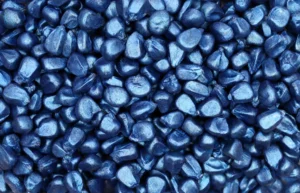
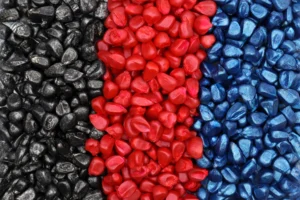
Corn seed treatment is one of the most advanced technologies that has been developed for the agricultural sector and involves the use of fungicides, insecticides and other products to protect seeds against pests and diseases, in which film coating technology can also be adopted, offering a protective layer that surrounds the seeds against loss of the treatment film.
This technology is based on two components: LabFix® polymer line, which provides greater adhesion and resistance to abrasion, and LabSec® drying powder, which aids drying and improves seed fluidity and plantability. This treatment promotes less loss of the treatment film, faster drying and, when sowing, improved singulation with a reduction in double seeds and failures.

Treated corn seed
Using treated corn seed can be the difference between an average harvest and an exceptional one. Film coating technology protects the treatment mixture applied to the seeds, ensuring that the active ingredients remain present during the early stages of crop establishment.
According to data from the National Supply Company (Conab), corn production in Brazil in 2022/2023 was approximately 127 million tons, a significant increase of 12.5% over the previous cycle. This growth is partly driven by the use of treated seeds.
Opting for treated corn seed is a strategic decision for producers looking to maximize their production and minimize risks. Seed treatment not only protects against pests and diseases, but can also include substances that favor initial plant growth, such as growth stimulants and micronutrients.
In addition, the use of treated seeds can reduce the need for subsequent chemical interventions, such as the use of insecticides, which not only lowers production costs, but also makes cultivation more sustainable. This is a growing trend in the agricultural sector, with producers increasingly concerned about adopting practices that minimize environmental impact and promote long-term soil health.