Soybean seed treatmentis crucial forensuring the initial health of the crop. In this comprehensive 2026 guide, you’ll learn how this practice affectsplantabilityand discover which fungicide is most commonly used to safely boost yield and improve stability insoybean farming in Brazil.
Seed treatmenttechnologies have evolved alongside advances inindustrial processing, particularly in terms of greater precision in coating.
In addition to protecting against pests and diseases,TSIstrengthens the standandhelps with initial establishment.
What is soybean seed treatment, and why is it essential?
Soybean seed treatment involves theapplication of pesticidesand other technologies, such asfilm coating, prior to planting, protecting the seeds during the initial stages of development and establishment in the field. This practice reduces losses caused by fungi and soil pests and contributes to greater crop uniformity shortly after emergence.
When properly planned, soybean seed treatmentimproves safety during handlingand contributes togreater yield stabilitythroughout the growing season.
Direct impact on plantability
Soybean seed treatmentaffects the performance of the planterby altering the flow and sliding of the seeds.
Uniform coatingreduces dust generationand improves seedflow and uniformity, thereby facilitating sowing.
As a result, there is a reduction in competition and planting failures, allowing the plants to compete less with one another and better realize their productive potential.
How do you treat soybeans?
Industrial soybean processing is carried out at specialized facilities understrict quality control.
The companies involved use high-tech equipment to apply inputs directly to the seeds.
The process is standardized to ensure that all seeds receive the correct amount of product.
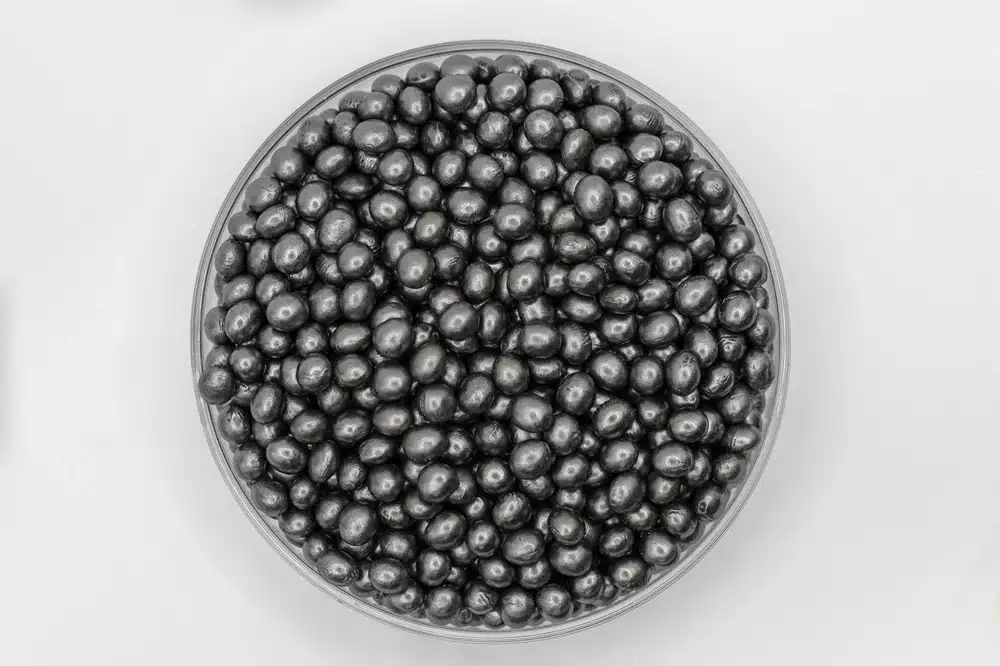
The most common steps include:
- Application of pesticides: Fungicides and insecticides are applied with precision to protect the seeds fromdiseases and pests.
- Use of polymers and drying agents: these products help anchor the pesticides and facilitate the flow of seeds into bags and through seeding machines.
- Storage: After industrial processing, the soybeans are stored under ideal conditions until they are shipped to the farmer.
This standardizationimproves the use of inputsandreduces the risk of environmental contamination, while alsoeliminating the need forfarmersto handlepesticidesdirectly.
What is the most commonly used fungicide for soybeans?
When it comes to soybean seed treatment, there is no single fungicide that works for all production situations.
The choice depends on the history of the area; it is very important to understand the target pathogens, which diseases need to be controlled, and the mode of action and spectrum of the products used.
In soybean seed treatment, different combinations are used depending on thephytosanitary risk.
Regions with higher pest pressure require different strategies than areas with lower incidence.
What are the benefits of good plantability?
Plantability is one ofthe cornerstonesofsuccess in agriculture. It can be defined as the ability to plantcrops efficiently.
In soybean management, understanding this topic is a key competitive advantage.
Investing in good soil structure offers farmers a number of benefits, including:
- Increased productivity: uniform planting results in healthier and more productive plants
- Cost savings: reduces waste of seeds and inputs
- Sustainability: Efficient farming makes better use of natural resources, reducing environmental impacts
- Market competitiveness: With more consistent yields, it is possible to meet growing demand and remain competitive in the agricultural market.
FAQ – Other questions about soybean seed treatment
Does soybean seed treatment replace foliar application?
Soybean seed treatment protects the early stages of the crop, particularly against soil-borne pathogens and seed-borne diseases. However, it does not replace foliar applications, which are essential for controlling diseases and pests during the vegetative and reproductive stages of soybean growth. These strategies are complementary within integrated pest management.
What is the difference between TSI and on-farm treatment?
The TSI is conducted in a controlled environment using high-precision, standardized equipment. The on-farm system, on the other hand, is carried out on the farm and depends on operational adjustments.
How long can the seed remain treated before planting?
The safe period depends on the products used, storage conditions, and seed quality. In general, it is recommended to follow the manufacturer’s technical guidelines. When treating soybeans, improper storage or exposure to excessive heat can reduce seed germination and vigor and compromise field performance.
What is apelletized seed?
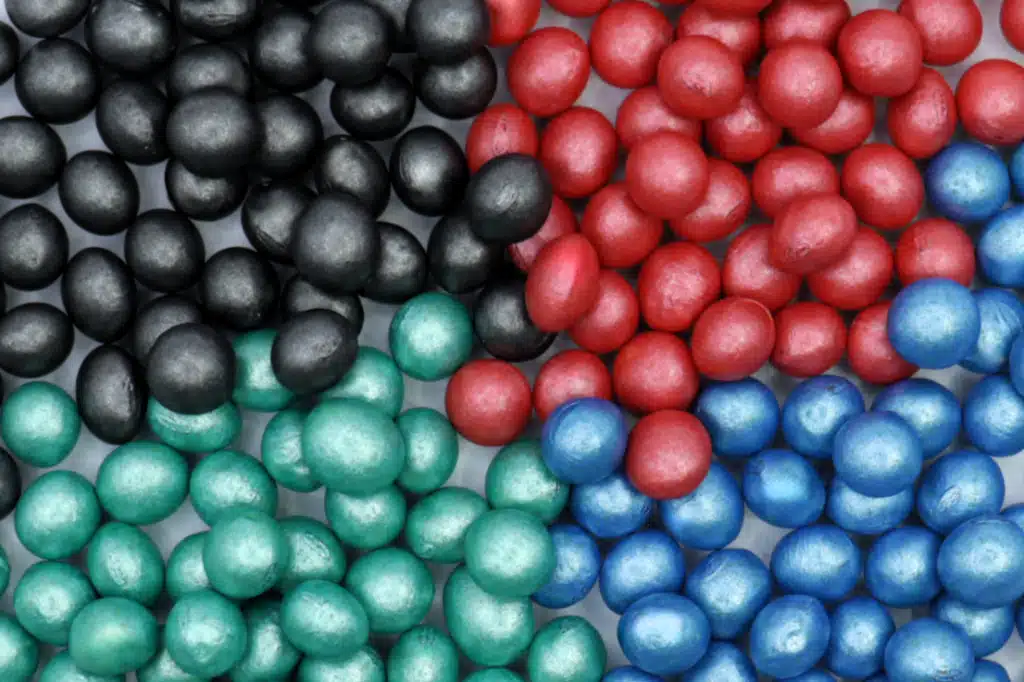
The seed pelleting process involves coating the seed with successive layers of inert filler materials and binders, thereby altering its size, weight, and shape in a controlled manner. This technique transforms small, irregular seeds into more standardized units. The main objective of the process is to improve operational efficiency, reduce waste, and ensure greater uniformity during planting.