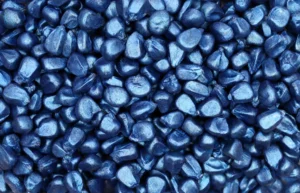
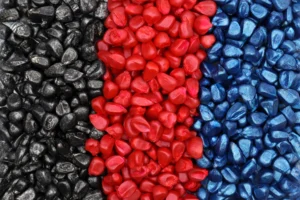
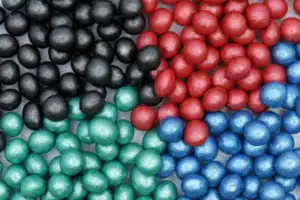
TSI (Industrial Seed Treatment) seed treatment is a practice widely used in modern agriculture. This process is carried out in controlled environments and involves applying pesticides, biostimulants, polymers and drying powders to the seeds before planting. The application is done uniformly using automated equipment, with the aim of protecting the seeds against external factors.
Mainly used in soybean, corn and cotton crops, TSI seed treatment stands out because it uses industrial structures that follow strict technical protocols. This ensures that the seeds receive the necessary inputs before they reach the field.
In this article, you'll get a better understanding of what a TSI operator does, what TSI is in agriculture, how to treat TS, what TSI seed treatment is for, as well as the benefits of seed coating and how a treated seed works, based on real processes used in the national agricultural chain.
What does a TSI operator do?
The TSI seed treatment operator is the professional who carries out and monitors the application and calibration activities at the industrial units. They are responsible for ensuring that the process takes place safely and within the required standards so that the seeds are treated evenly and properly.
+ READ MORE: Corn seed: the essential choice for a successful harvest
Its duties include:
- Prepare the inputs to be used in the treatment
- Calibrating chemical and biological product applicators
- Monitor the visual quality of the seeds during and after the treatment process
- Control of preventive maintenance on application equipment
- Record the operational and technical data for each batch treated.
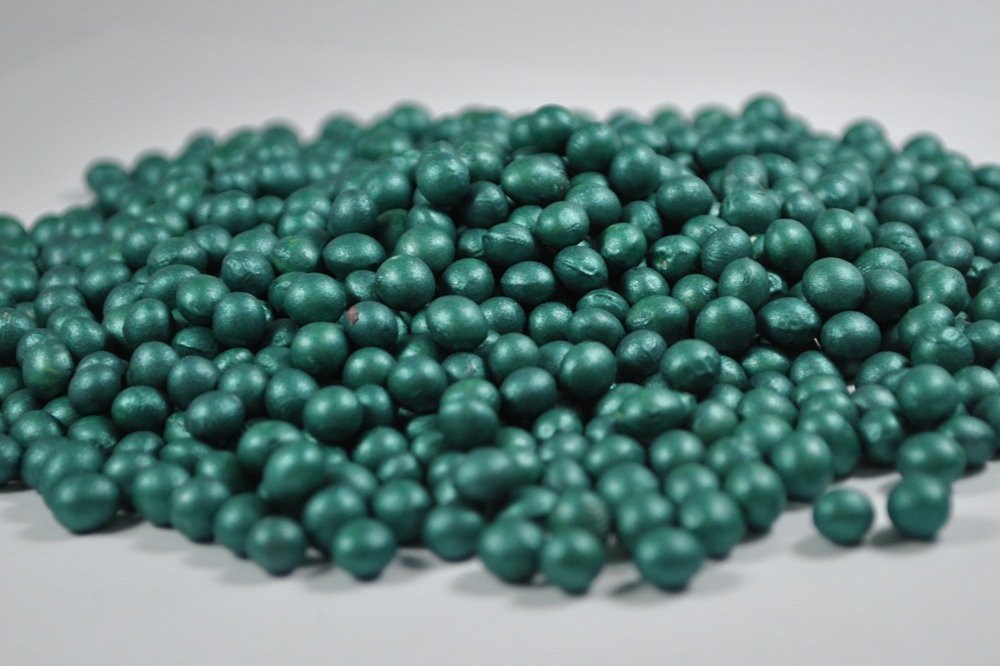
The operator also needs to follow specific safety and environmental control rules, as well as ensuring compliance with the manufacturer's instructions for the products used in the treatment.
What is IST in agriculture?
In the agricultural context, the term TSI refers to industrial seed treatment, a process in which chemical and/or biological inputs are applied to seeds in industrial structures before planting. The acronym TSI is used to differentiate this type of treatment from that carried out manually on the farm (On Farm).
During TSI seed treatment, the following components are commonly applied:
- Fungicides and insecticides, which protect seeds from pests and diseases
- Polymers and drying powders, which form a film on the seed, allowing the mixture to dry more easily and making it easier to handle.
- Biostimulants or biological products, depending on the formulation used.
In addition to the application of inputs, TSI seed treatment can include coating the seed with polymers that prevent product loss through abrasion or dust and less loss through leaching, guaranteeing a gradual release of the active ingredients and additives applied in TSI. This stage is known as film coating and contributes to the integrity of the seed treatment during bagging, transportation and sowing.
+ READ MORE: Soybean seedeverything you need to know for productive planting
Another characteristic of TSI seed treatment in agriculture is standardization: all the seeds in the same batch go through the same process and receive the same proportion of inputs, following technical quality control standards.

What is TSI seed treatment used for?
The main function of TSI seed treatment is to form a protective layer on the seeds before planting. This protection helps preserve the integrity of the seeds during storage, transportation and handling, as well as preventing losses due to abrasion and reducing dust emissions.
One of the technologies used in this process is Film Coating, which applies a thin, uniform film of polymer to the seed. This layer makes it easier for the applied inputs to adhere, helping to preserve the treatment until sowing.
+ READ MORE: All about wheat seedplanting, treatment and sustainable options
To complement this protection, there are solutions such as:
- LabFix G5 Platinum: polymer that reinforces the fixation of products applied to the seed
- LabSec Superfluid Graf: drying powder with graphite that promotes efficient drying and improves seed flow in seed drills.
In addition to forming this protective cover, TSI seed treatment also offers convenience to the producer, who receives the seeds ready for planting, without the need for additional steps in the field. The process is carried out using appropriate machinery, high standard seeds and inputs developed specifically for this type of application.
How to treat TS?
Seed treatment (ST) can be carried out in different ways, but the most suitable method today is TSI seed treatment, carried out in an industrial environment. This process uses specialized equipment that ensures greater control in the application of inputs, avoiding common mistakes in the treatment done directly on the farm.

During TSI seed treatment, the seeds receive a uniform layer of products that can include high-adhesion polymers, which help protect the applied inputs, minimize dust formation and promote seed flow in the seeders, and the use of graphite drying powders with high drying and lubricating power.
+ READ MORE: Cotton seed: how efficient planting and treatment boost production in Brazil
The use of these technologies keeps the components of the TSI seed treatment fixed until the moment of sowing, without compromising their integrity or safe handling in the field.